Camp
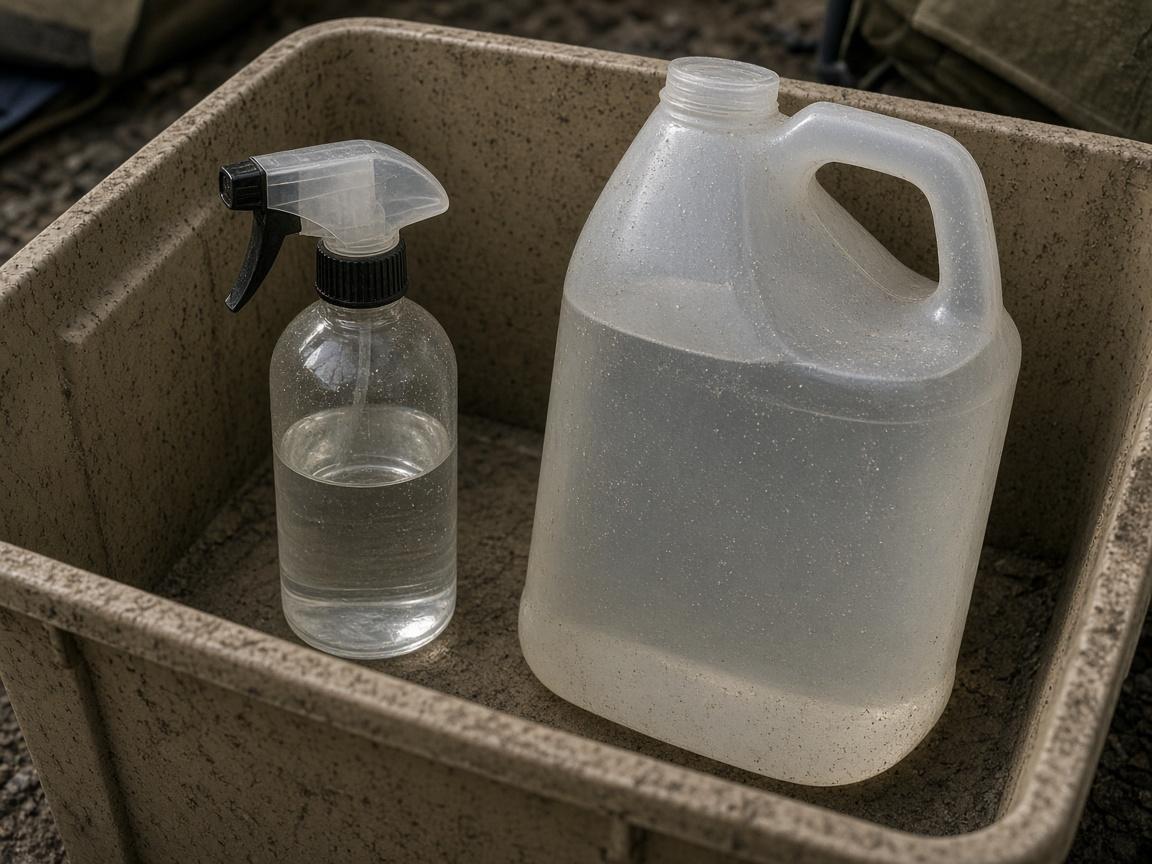
Distilled white vinegar, gallon jugs
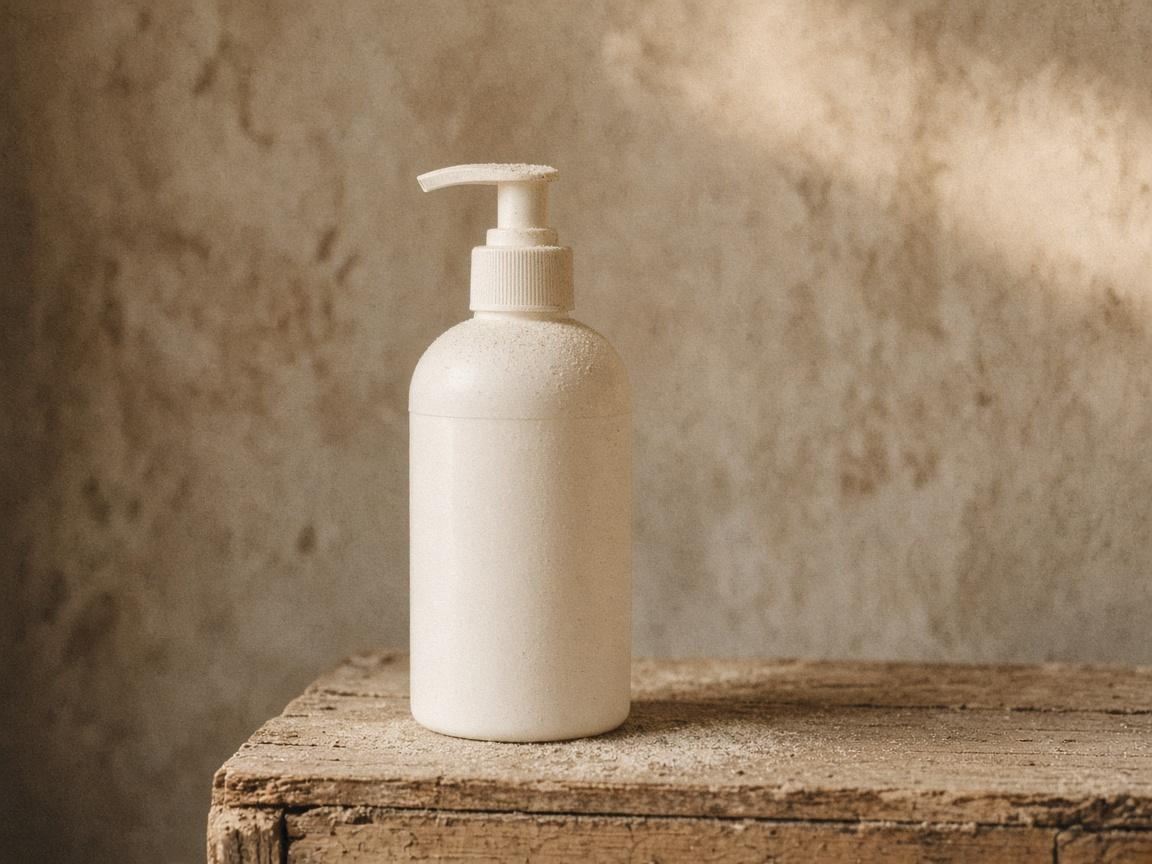
White vinegar in a spray bottle. It cuts the alkali on skin and gear.
A two-pack of gallons is often $15–30
Opens in a new tab.Goggles for the whiteout, and the slower problem: alkaline dust on skin, socks, and the tub at dusk.
9 min read
Sits beside Burning Man dust mask and goggles/What to wear to Burning Man/Dust kit/Burning Man first-aid kit
Shop the first-year crate. Each piece is its own listing. We don't ship a kit as one box.
The dust note is the hardware for a whiteout: goggles that seal, a respirator, a shemagh for the ordinary hours, vinegar, a sinus rinse, and a blower for the gear. This page is the rest of the day, the hours that are not a wall of dust and still leave your feet cracked, your lips split, and a film on your skin that water only moves around. The Survival Guide calls the playa a hardpan alkali and says daytime temperatures routinely exceed 100°F with extremely low humidity. Because the air is so dry, they write, you may not feel particularly warm, but you will be steadily drying up. Lip balm and lotion are the comfort they name. We pack both, and we pack the vinegar for the alkali itself.
Playa dust is closer to flour than to campground dirt. It cakes on sweat, works into socks, and turns a wet wipe into a gray smear if that is all you do. The people who finish the week with feet they can still bike on are not lucky. They change socks, they deal with a hot spot the hour it starts, and they do a small wash at dusk instead of hoping a shower line will save them.
We are an independent outfitter. We are not affiliated with, endorsed by, or connected to Burning Man Project. The event name is used so you know which week this gear is for.
Each card opens the shop. Amazon links are affiliate links. Your price does not change. How the links work.
Open toes are a bet against rebar, hot playa, and a bike pedal. Wear closed shoes you have already walked in. A new pair plus alkaline dust is how a good Tuesday becomes a limp. The Survival Guide's should-bring list includes lotion, and the injury story on their securing page is blunt about feet and open stakes. Your shoes are the first layer. Caps and candy canes are the camp's job. Both have to be true.
Bring more socks than the number of days. The pair you bike in picks up dust at the ankle and then sandpapers the skin. Change them when you get back to camp, and bag the dusty pair instead of letting it live in the bottom of the tent. A wool or synthetic sock that still has some structure beats a thin cotton one that goes flat and stays damp with sweat. Darn Tough's merino hiker is the pair people who have done this week keep naming. The listing opens on one size and one color, so pick yours. The maker says they replace a pair that wears out. That is their claim. If a sock gives you a hot spot on a normal Saturday at home, it will give you a worse one here.
Moleskin goes on the spot the hour you feel it, larger than the sore, with the corners rounded so it does not peel. A few wipes in the same bag help it stick. Waiting for the blister is how you donate the next day to your shoes. If a foot is infected or you cannot walk, that is a medical tent, not another pad. The first-aid kit is where the moleskin actually lives, next to the dressings, not in a costume pocket.
A splash of white vinegar in a foot tub at the end of the day is how we get the alkali off. The dust is alkaline. Water alone smears it. Vinegar is an acid you can buy in a grocery store, and it is the bottle we have come back to for skin we tolerate it on, for the bike, and for bins. It smells like vinegar because it is vinegar. Do not mix it with bleach. Keep it off sealed electronics. If your skin does not tolerate it, skip the skin and keep using it on the gear.
Decant the vinegar into a labeled spray bottle before you arrive. A gallon with a loose cap in a hot car is a story you only need once. The label matters because a clear bottle of vinegar and a clear bottle of drinking water should never share a story. The tub is a collapsible basin, one for feet and a second for dishes. The foot water, once it has dust and vinegar in it, is wash water. It does not go on the playa. Pour it into the gray-water jug and haul it out. The Survival Guide says showers produce gray water, which cannot touch the playa, and that the less you make, the less you haul. A foot tub is a small version of the same rule.
After the feet are dry, a plain unscented lotion on the places that cracked, if your skin tolerates it. Scented bottles are a gift to everyone in the tent and they do not work better. Lotion on a fresh scrape is the wrong order. Clean it first. If the sun got past the hat, a plain aloe gel is the comfort after, on skin that tolerates it. Follow the label. It is not a treatment, and it is not a reason to skip the sunscreen. This is not a substitute for the water you were supposed to drink all day.
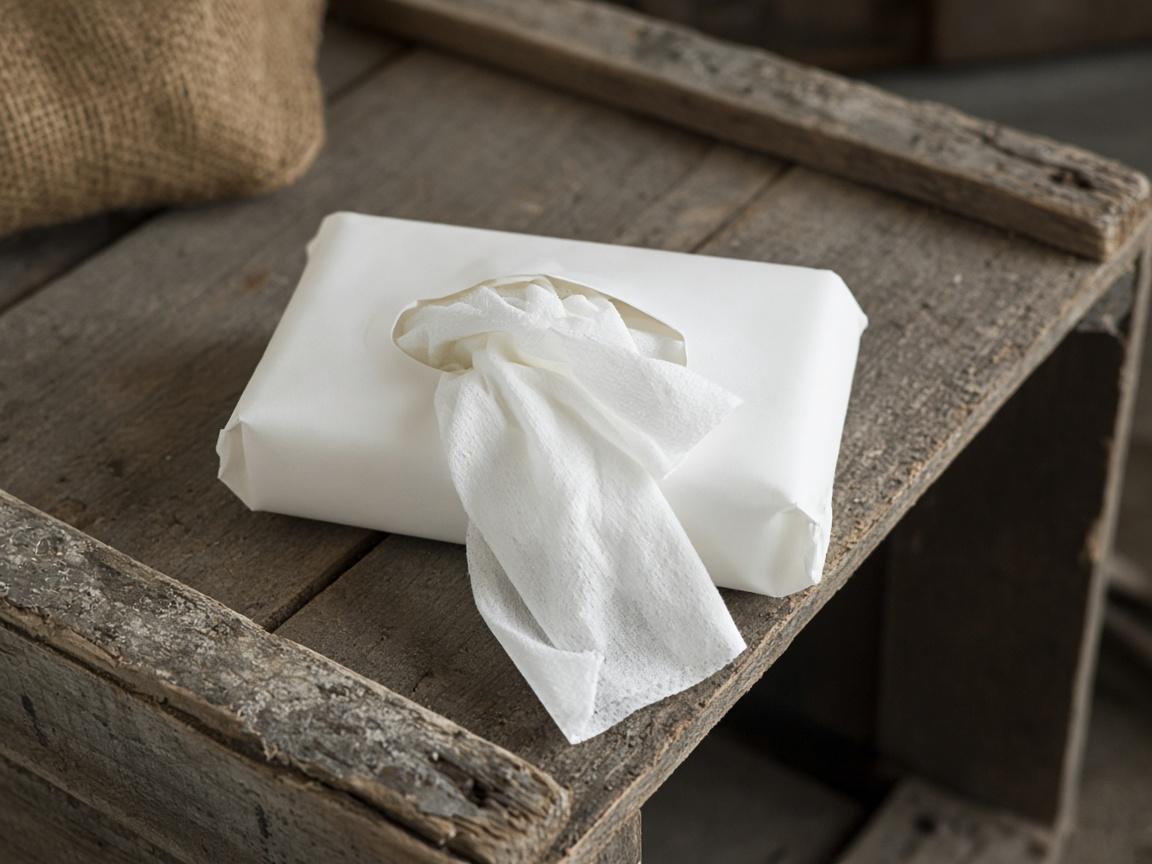
The lotion lives in a zip bag so a loose cap does not coat the bin. Wipes do the hands before you eat and the face before you sleep. A pack in the cooler is the cold wash people mean. Used wipes are trash. They come home. They do not go in a burn barrel, and they do not go in a porto. Their guide is strict: if it was not in your body, it does not go in the potty, and the tissue exception is 1-ply.
Hat and shade do most of the sun work. Sunscreen is for the four-minute walk that takes twenty, and for the ears, the hands, and the neck under the scarf. The Survival Guide says to apply it every morning and repeat, and that at nearly 4,000 feet you burn faster than you do at home. A mineral formula you can see stays honest under dust and sweat. A thin mist disappears. One coat at 9 a.m. is a sunburn with a schedule.
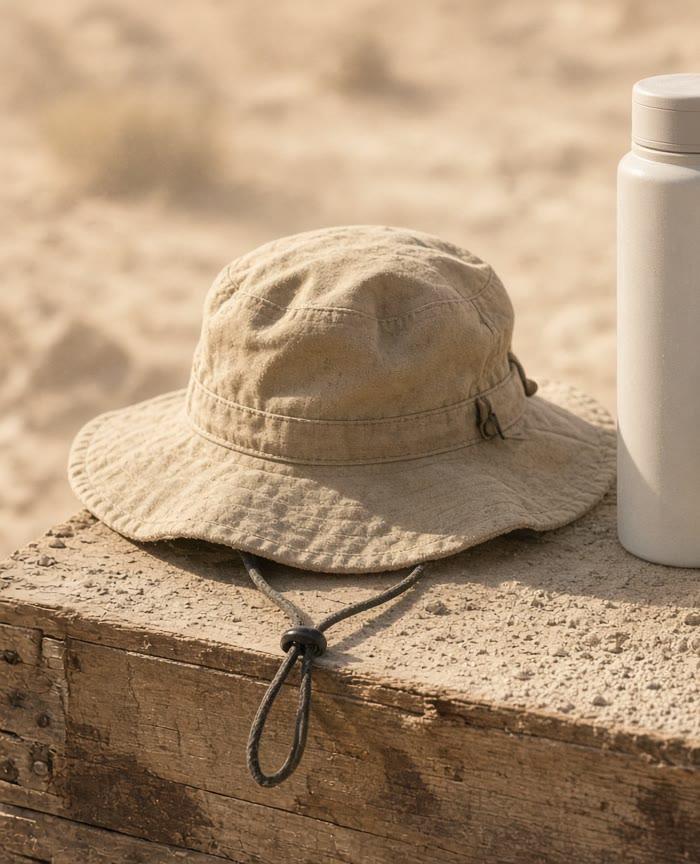
Put the sunscreen and the lip balm in the day bag. Their guide names lip balm next to the dryness, and we want SPF on the stick because a lip burns like a shoulder. Buy two. An open stick is a dust stick. A hat with a strap stays on when you bike. A brim is not a dust seal and it is not camp shade. It is the face.
A shemagh or a large soft wrap covers the neck and takes the edge off an ordinary breeze. Cotton washes in a bucket. Synthetics can melt near a burner. Take the scarf off the job of being a mask the moment you cannot see ten feet. That upgrade is the next section, and it is the whole other note if you only read one page about lungs.
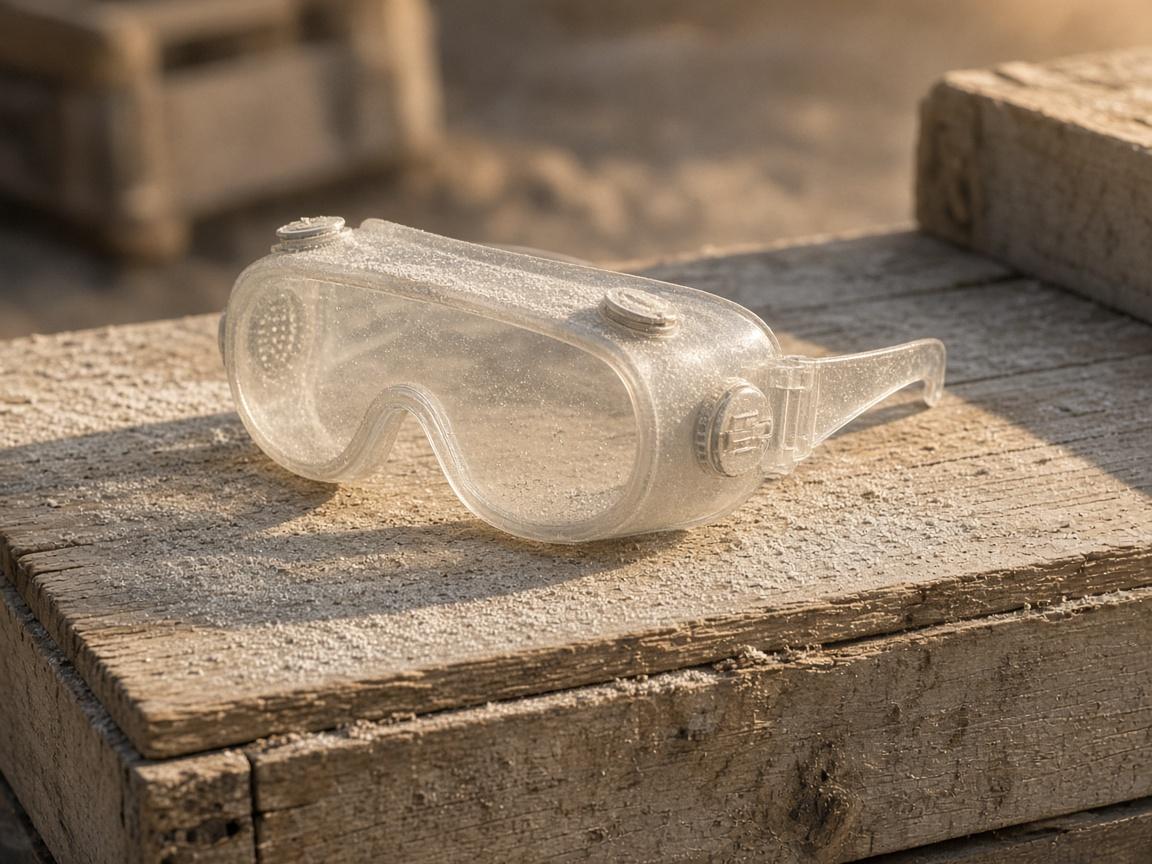
Goggles that seal are splash goggles with the vents capped. Fashion goggles with a row of open holes become a scoop. They fog. That is the trade for a seal. Bring two. One lives on you. The spare stays in a zip bag so a scratched lens does not end the night. Anti-fog is a losing battle you fight anyway. The spare pair is the plan.
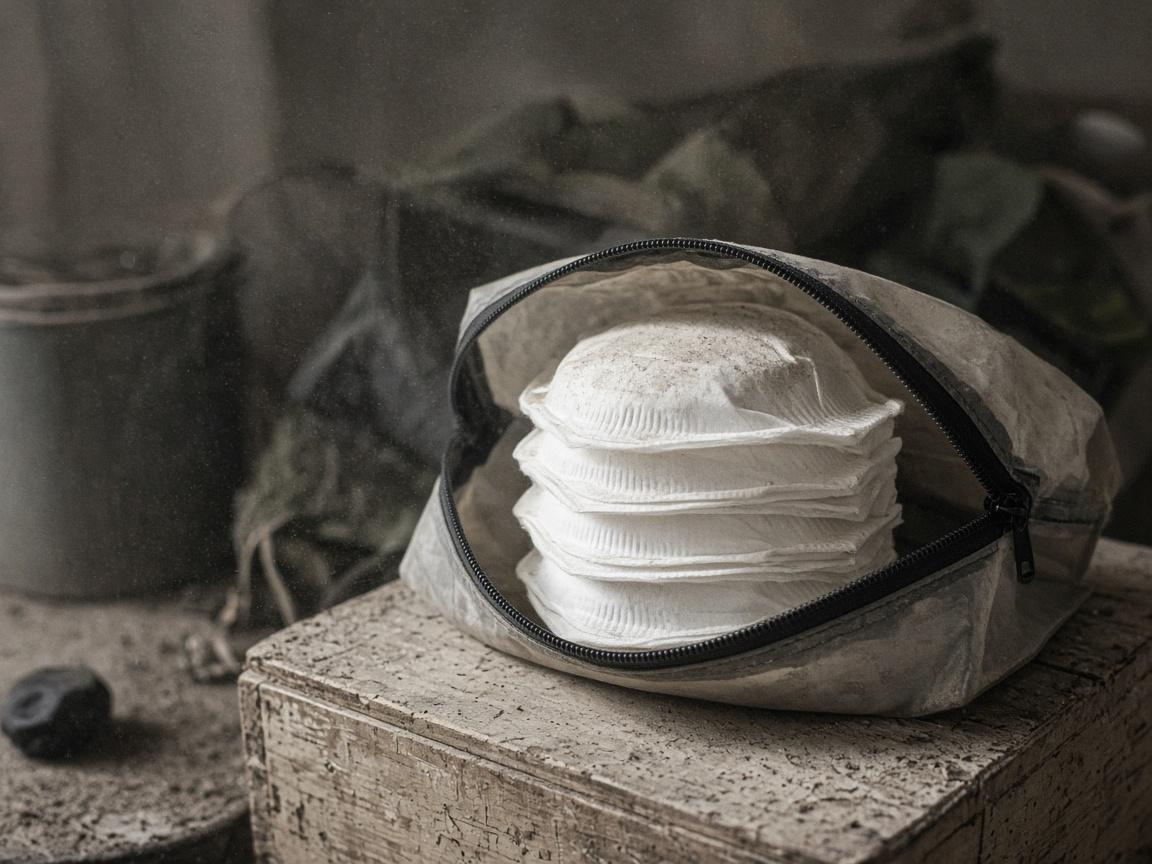
A cotton shemagh is excellent for sun and for a dusty afternoon that is still an afternoon. When the Survival Guide tells you to use the dust mask and goggles, it is talking about the whiteout: seek shelter, cover your face, wait it out. A particulate respirator goes on before you have been breathing that air for half an hour. They clog. That means they are working. Pack more than a single afternoon. A beard breaks the seal. Follow the maker's instructions. This is dust protection, not a medical device, and the fit is your responsibility.
Daytime mirrored goggles and a clear pair for night are a comfort if you already know you want both. The seal is the spec either way. If the listing has open vents, skip it. The dust kit is the shopping pile: goggles, respirators, the scarf, the balm, the rinse, and the blower for later.
You will breathe some dust. A saline rinse at the end of the day, with the packets and with water that is still clean, is how the week does not all collect in your sinuses on the drive home. Do not scoop from a jug spout you have been touching with dusty hands. Drink the water you brought, and rinse the dust out with a proper kit.
The sinus rinse is comfort for dusty sinuses, not a treatment. Follow the packet. If breathing is actually difficult, that is a medical tent, not a bottle in the bin. The same humility applies to skin that is blistered from the sun or split past lotion. Shade, water, and their medical stations are the system. A kit in camp handles the small things so the stations are free for the real ones.
Other dusty weeks on the festival calendar are the sibling shop, Dustproof Supply. This page stays on the playa. When the week is over, the dust on the gear is a different job from the dust on your feet. That one is the after-the-burn guide: blower outside, vinegar on the film, and nothing soaked that should have stayed dry. The hex still gets swept first. Feet can wait until the stakes are out.
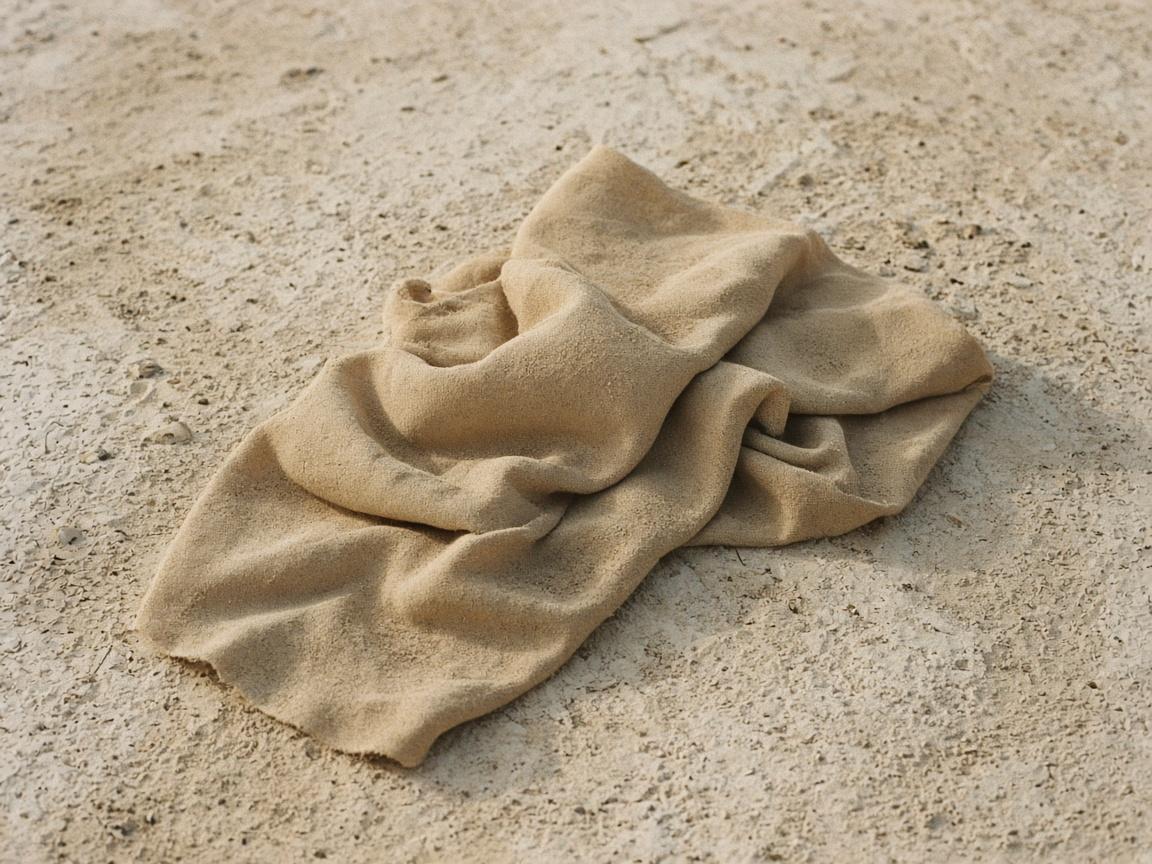
Rothco
A cotton square for sun, light dust, and a cold neck. The listing opens on olive drab.
Often about $14
Opens in a new tab.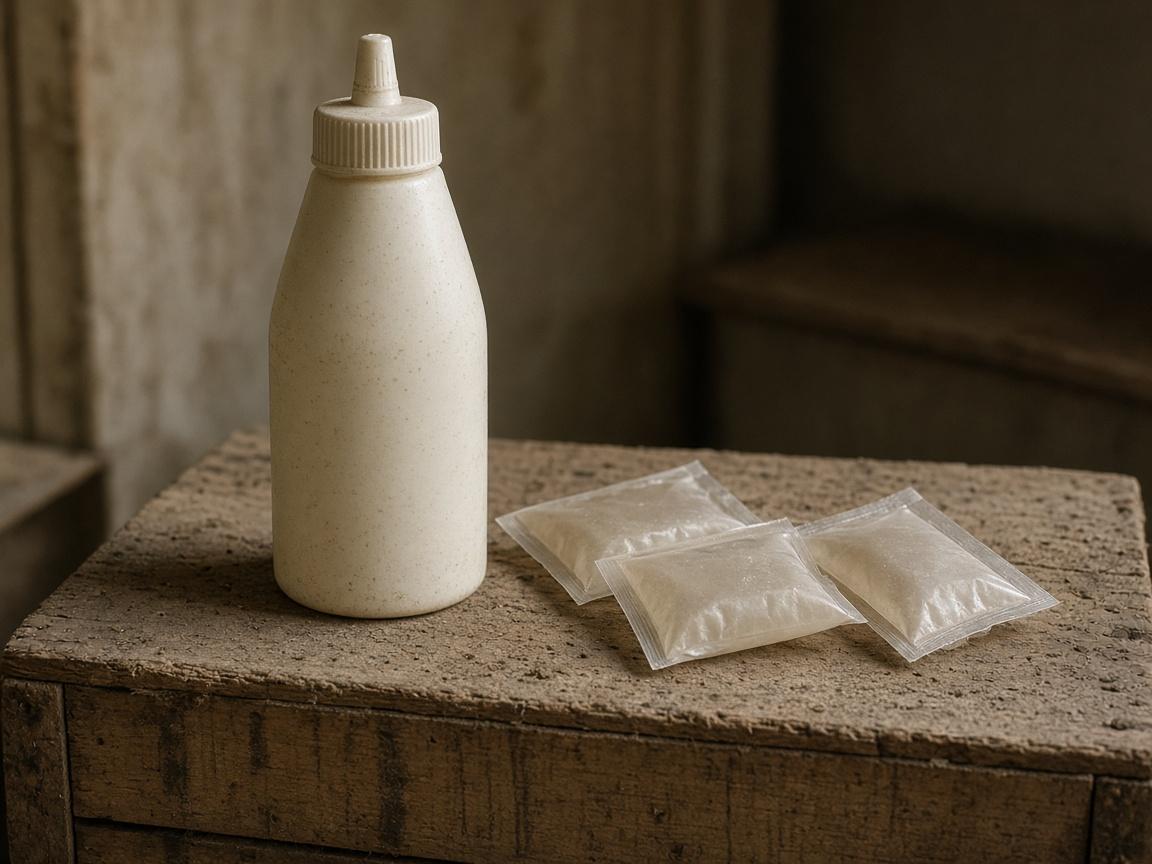
Dust
A saline rinse for the dust that already got in.
A kit is often under $20
Opens in a new tab.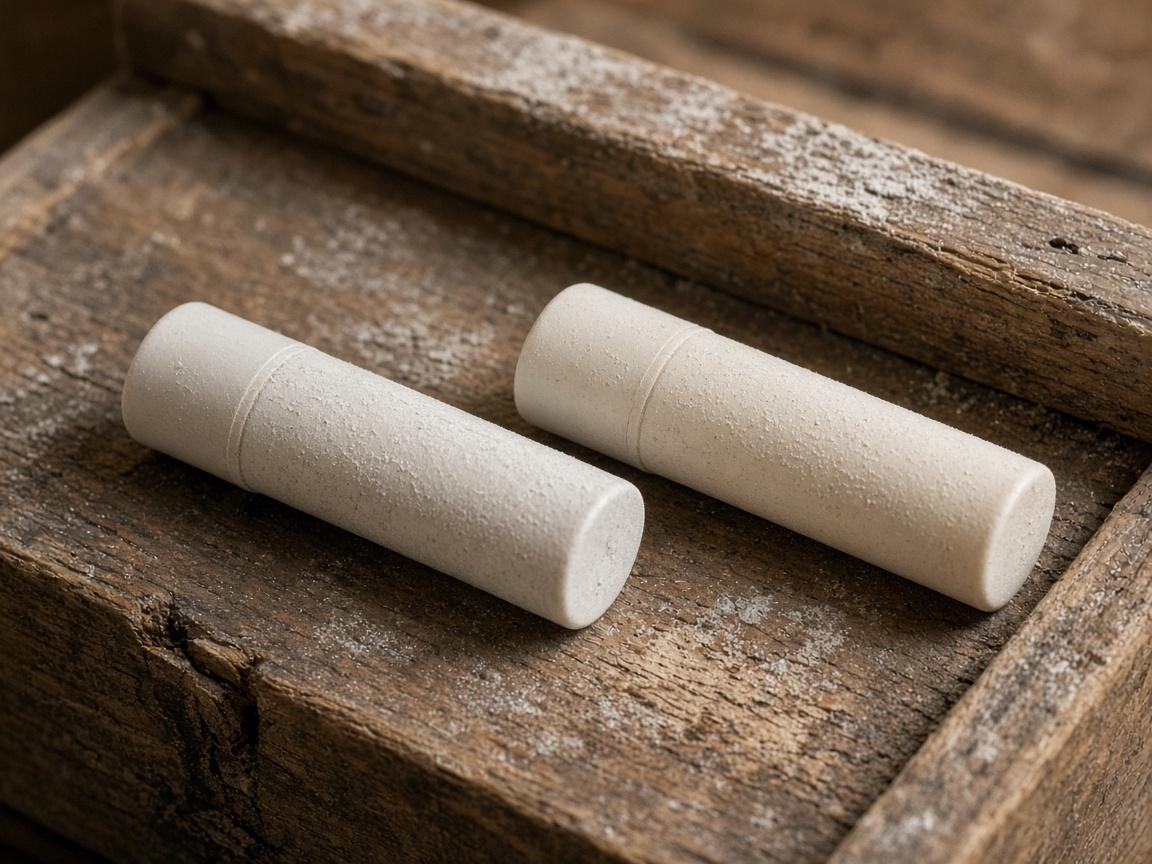
Dust
Lip balm with SPF. The air out here is dry enough to crack your lips.
A couple of sticks are often under $15
Opens in a new tab.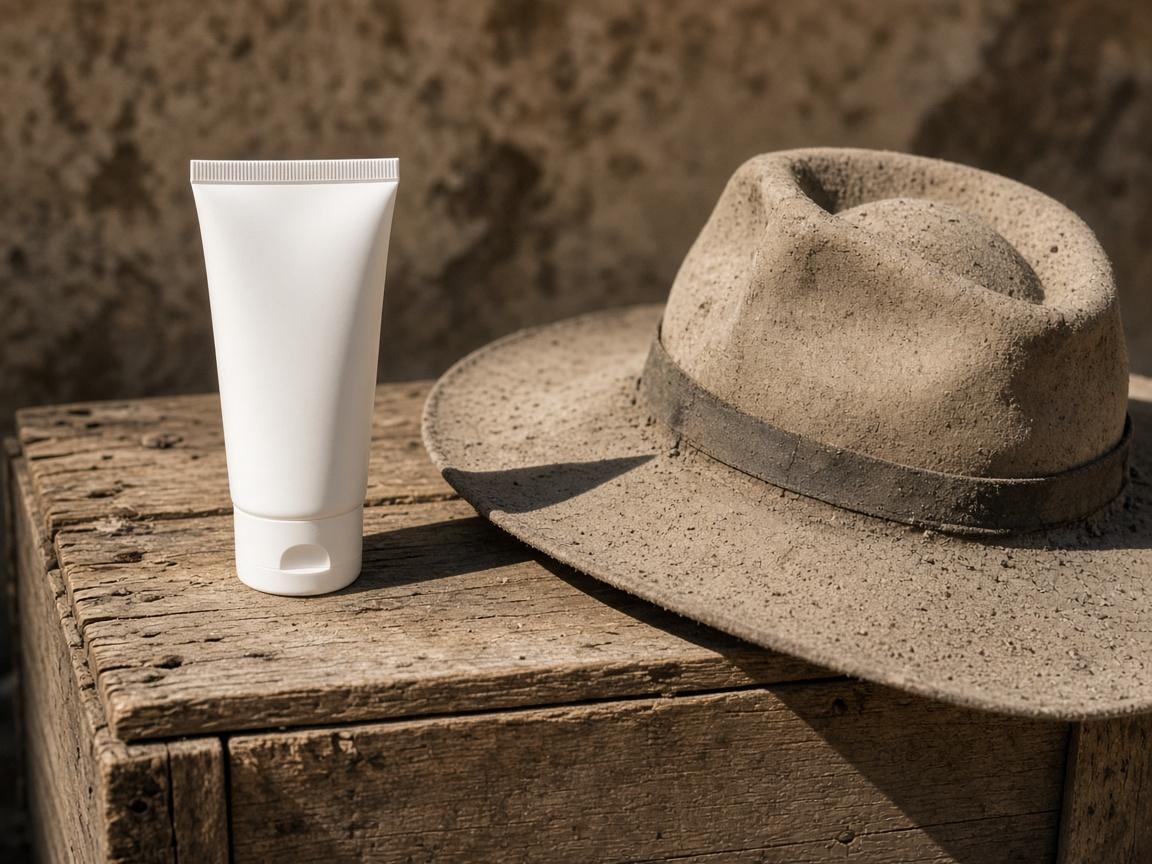
Camp
Mineral sunscreen. Dust on your skin isn't shade. Reapply.
A solid tube or stick is often $12–20
Opens in a new tab.Darn Tough Vermont
A merino hiker sock with enough structure to survive dust at the ankle.
Often about $26
Opens in a new tab.Tiawudi
Two collapsible basins, about 8.5 liters. One for feet, one for dishes.
Often about $24
Opens in a new tab.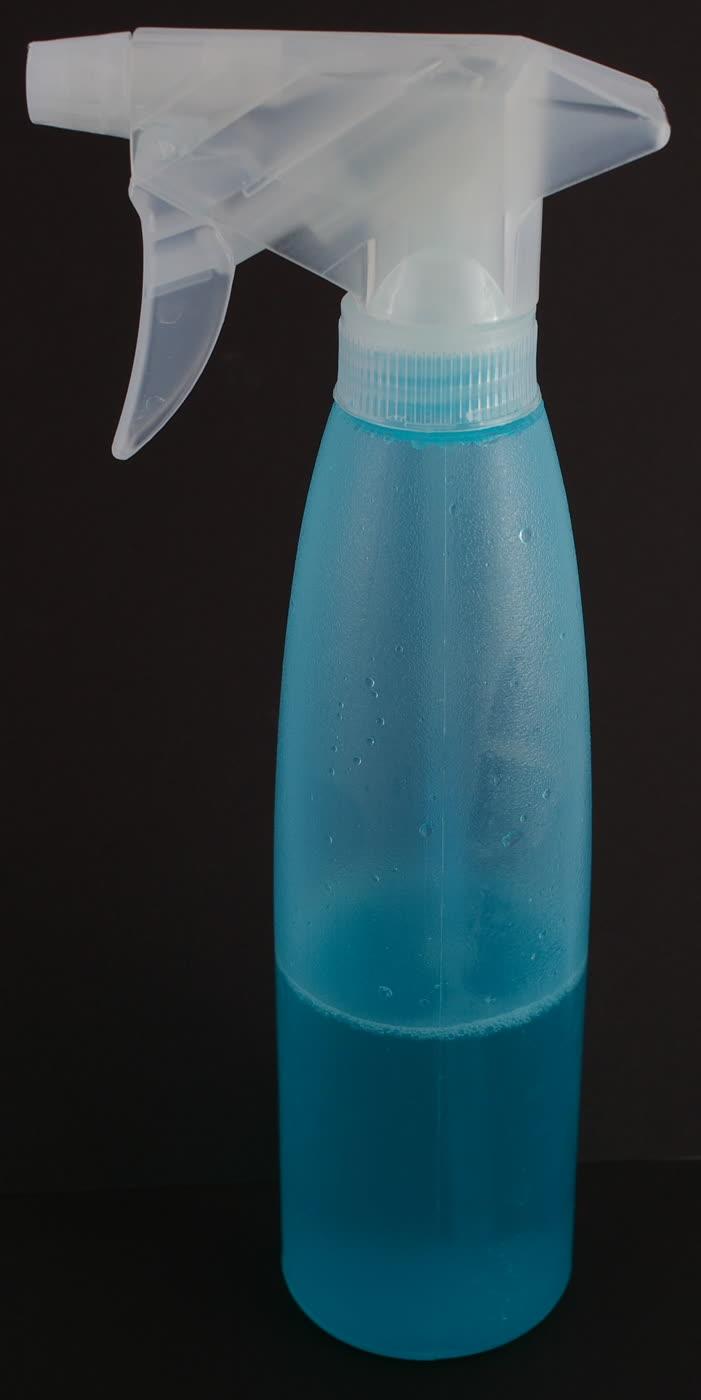
UUJOLY
Clear plastic trigger bottles, about 17 ounces, so vinegar and water never share a story.
Often about $17
Opens in a new tab.Fruit of the Earth
A small gel for skin that got more sun than the hat covered.
Often about $8
Opens in a new tab.A kit is the shopping list for one job. Each piece is its own listing. We don't ship it as one box.