Impact Canopy
Impact Canopy 10 by 10, straight leg
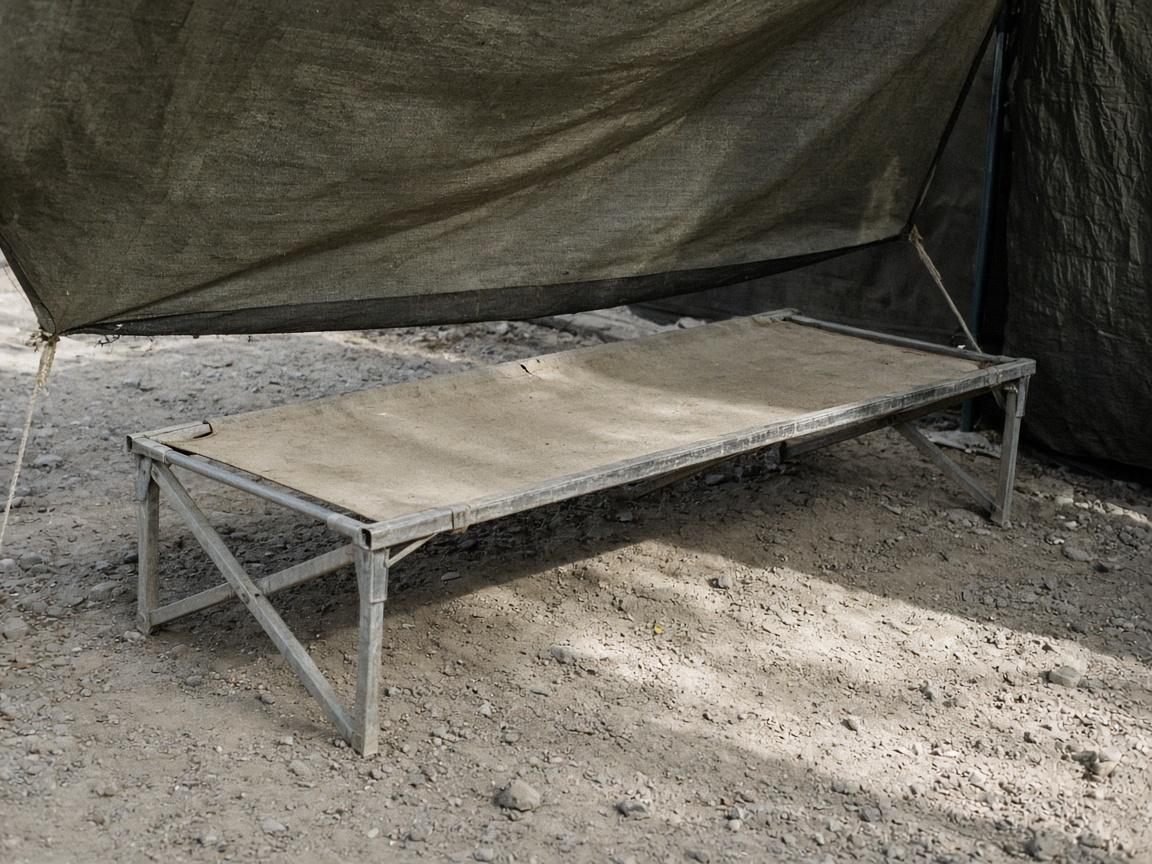
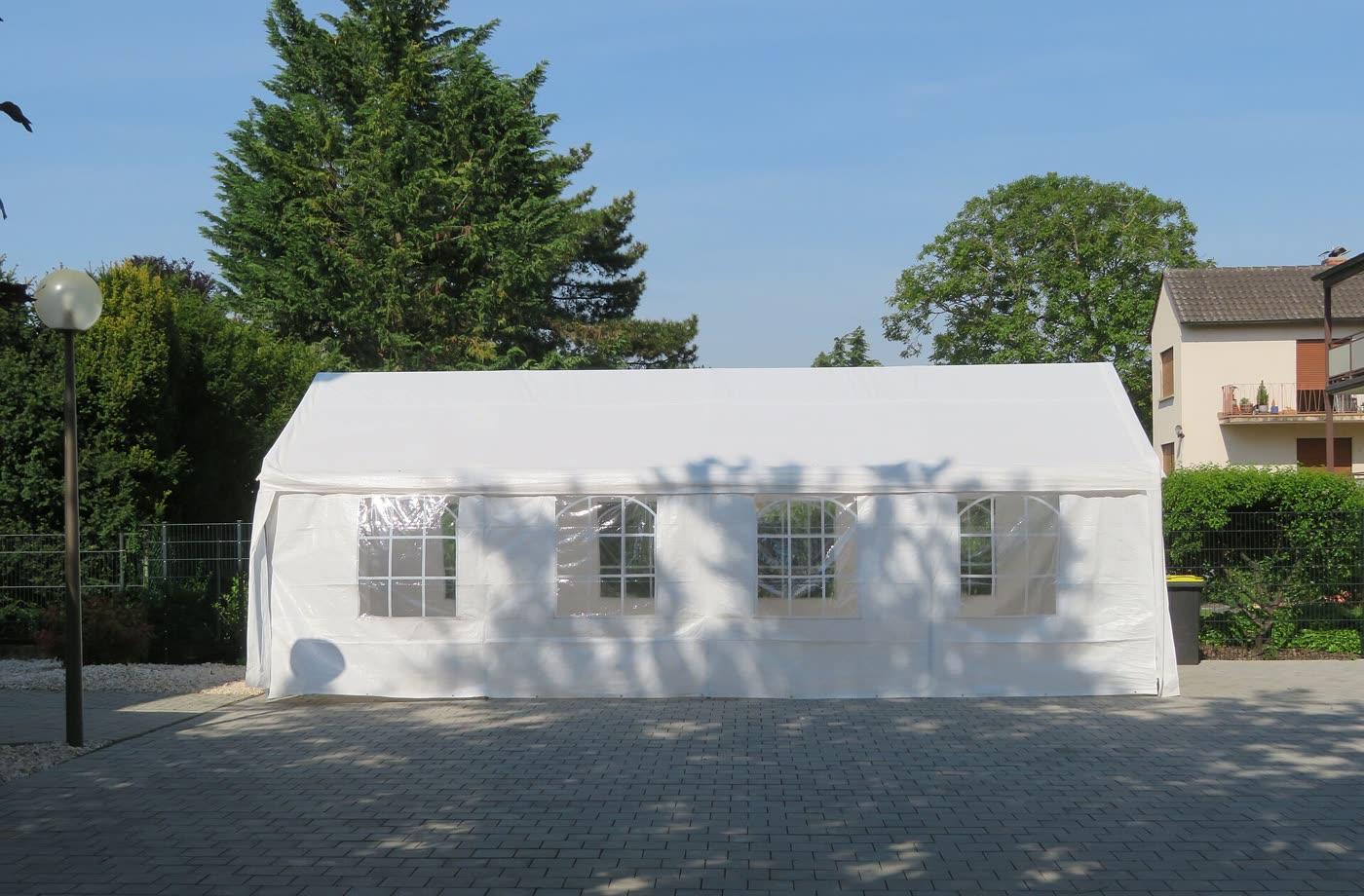
A straight-leg steel frame. The solid top that comes with it stays in the car.
Buy this early
Often about $250
Opens in a new tab.The straight-leg frame, the knit, the lags, a cot and a bag, water, lights, a lock, and a small station. Each one is its own listing.
9 min read
Sits beside What Burning Man week requires/Best shade structure for Burning Man/Burning Man camp power and solar/Camp cart
Shop the camp cart. Each piece is its own listing. We don't ship a kit as one box.
The week is the conditions. The camp cart is what we would put in the car first for one quiet camp that does not already have shade. It is a shopping list. We don't ship it as one box. The city's Survival Guide still outranks a cart if the two disagree.
We are an independent outfitter. We are not affiliated with, endorsed by, or connected to Burning Man Project. The event name is used so you know which week this gear is for.
Each card opens the shop. Amazon links are affiliate links. Your price does not change. How the links work.
The frame we opened is an Impact Canopy 10 by 10, straight-leg steel, often about $250. The solid top that comes in the bag stays in the car. A solid roof bakes the camp. The mesh sidewalls in that kit are not a dust wall, and they sail. Put the open knit on the frame instead.
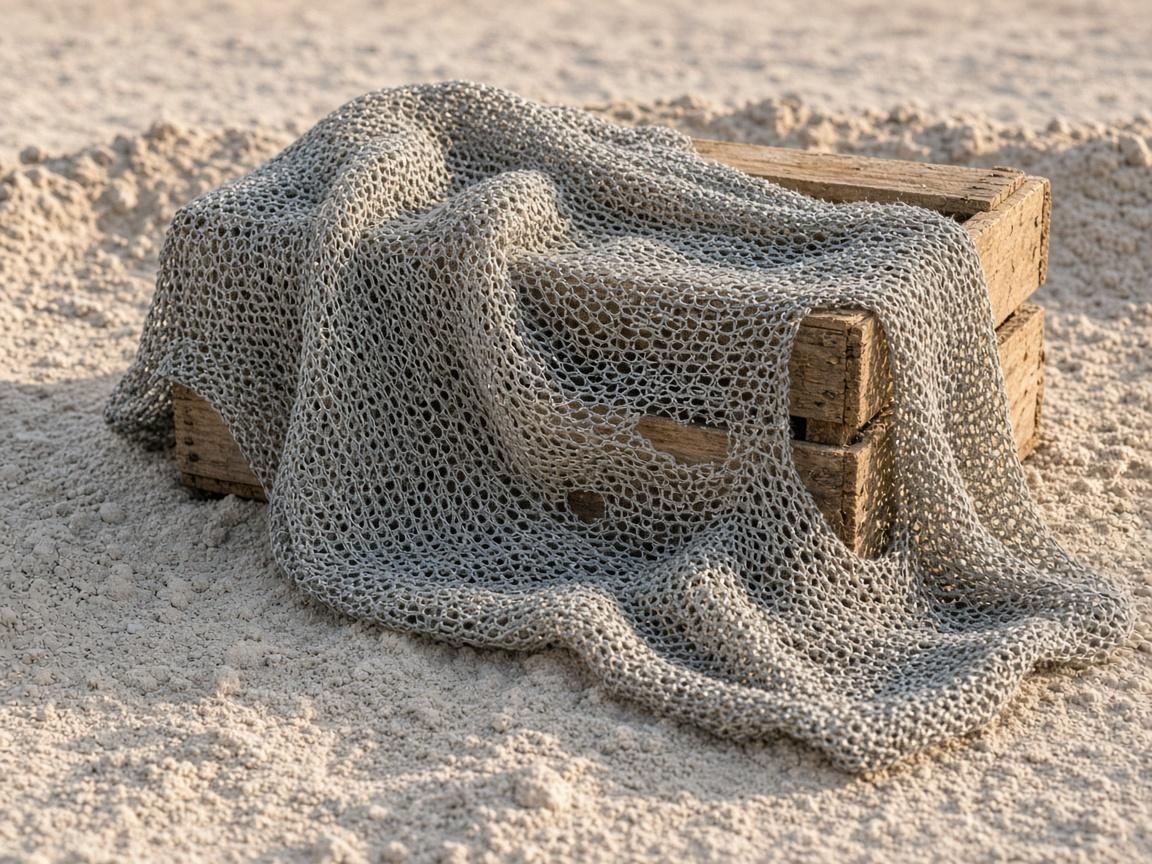
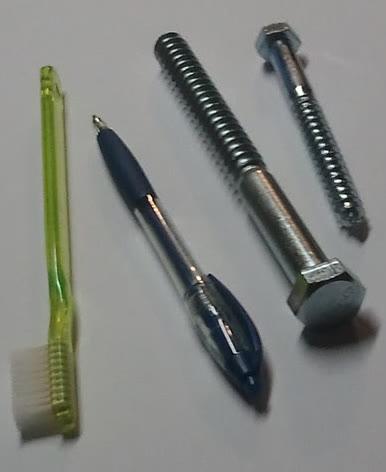
The knit we opened is a POYEE 10 by 15, an 85 percent reflective cloth, often about $35. It is mesh. Air can move. It is not waterproof, and it is not a structure. The 12-inch hex-head lags, often about $35 for the pack of 25 with washers, go at every foot. The short stakes in the canopy kit are not the anchors. Ratchet straps carry the cloth. If the wind is winning, people get clear and the cloth comes down.
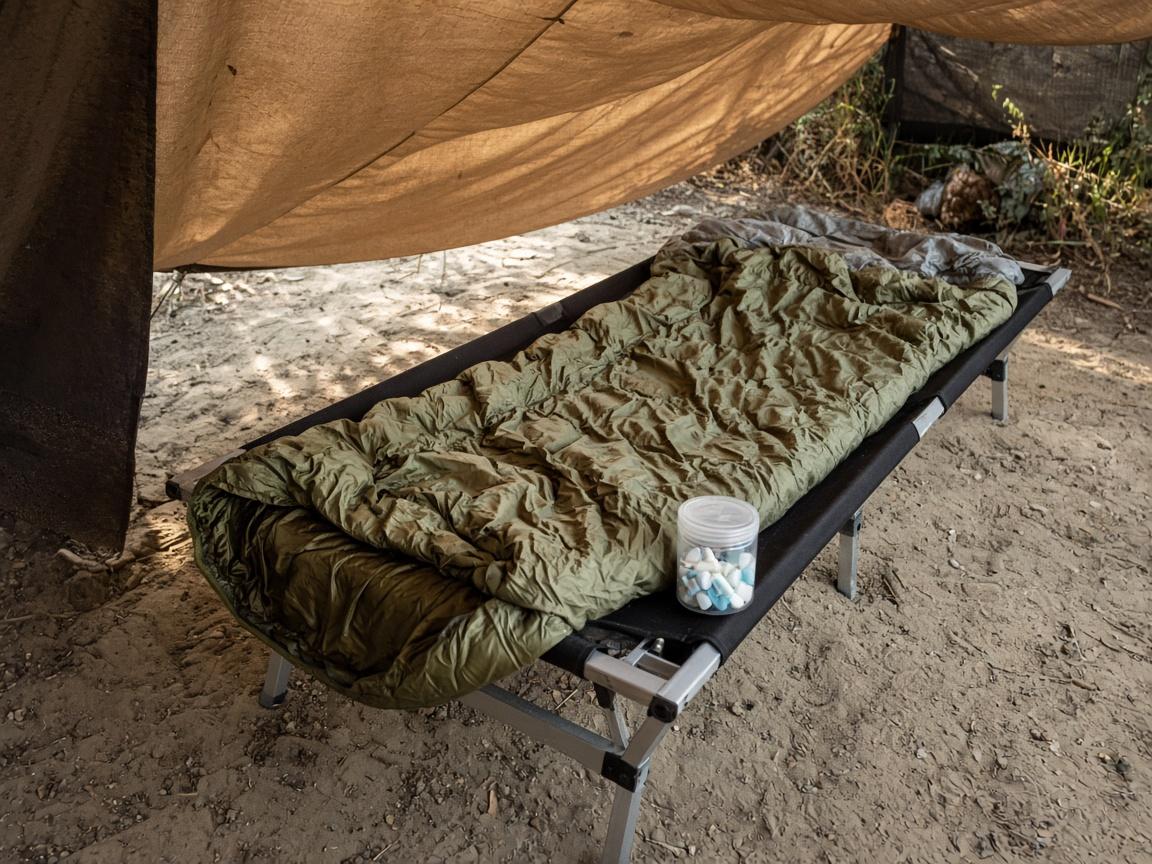
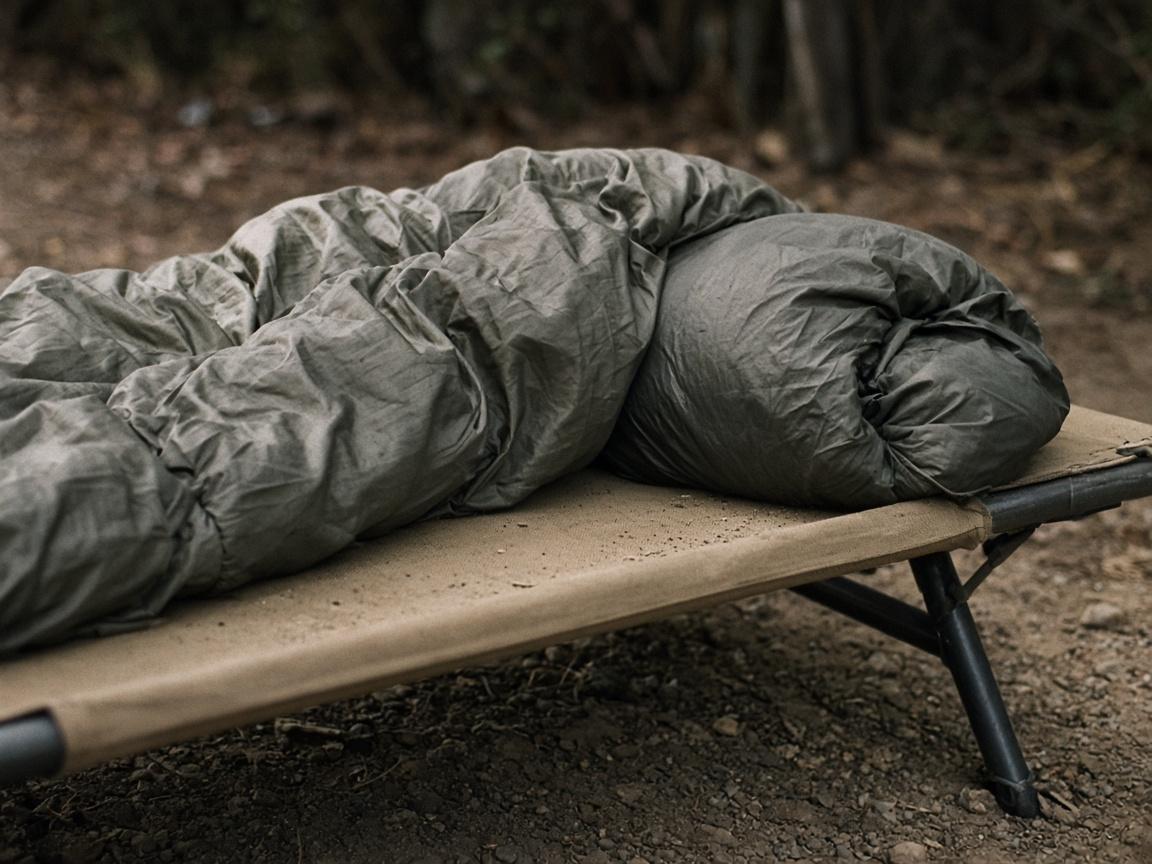
The cot is the TETON Outfitter XXL, often $100–160. It packs long. Measure the car. The bag is the Kelty Cosmic Synthetic, often about $65, a synthetic the maker rates at 40°F. That rating is their number. Nights fall into the forties anyway, and a sheet will not cover it.
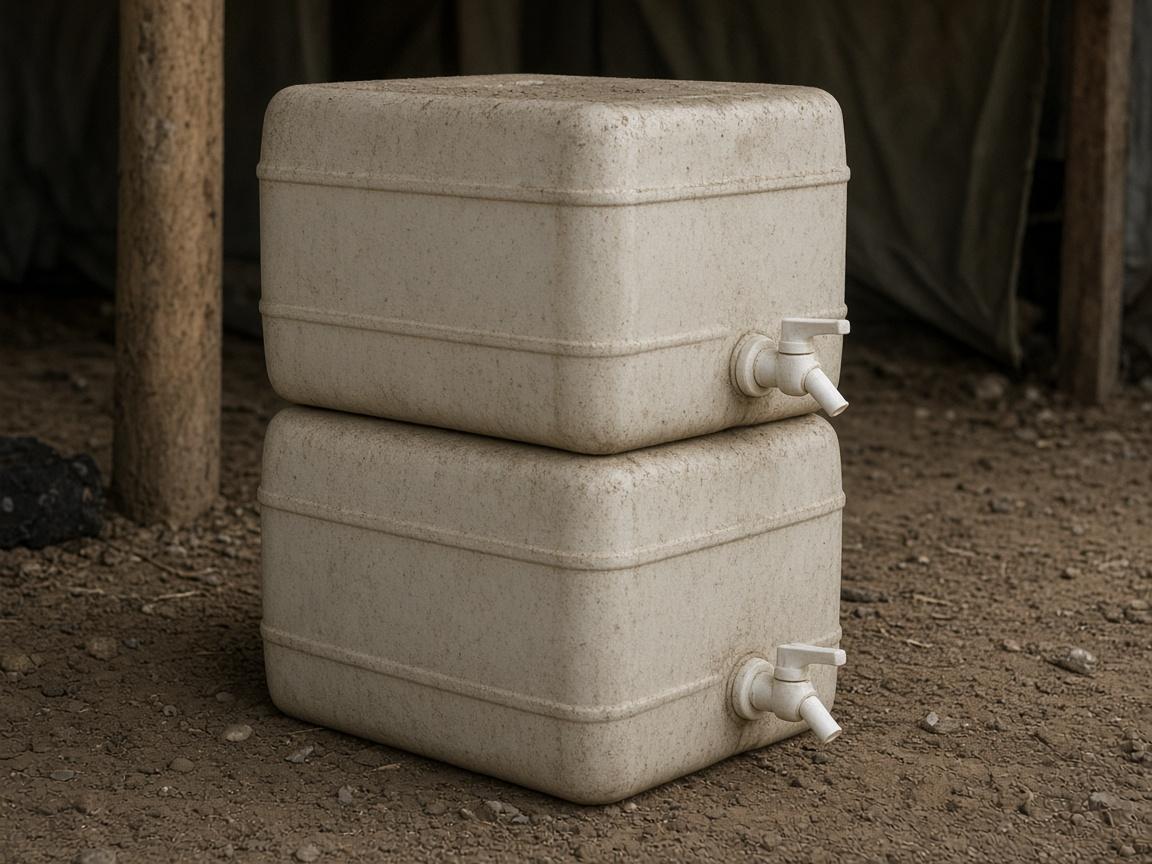
Two 7-gallon Aqua-Tainers are often about $54. That is fourteen gallons, a serious start for one person's drinking water, not washing for a camp. The gallon math, including the Survival Guide's 1.5 gallons a person a day, lives on the water page. Do it before you buy a cute bottle and call the week handled.
Shade
Sleep
Power
The bike
| What changes | The piece we list | The swap | Why the swap fails |
|---|---|---|---|
| Shade | Straight-leg 10 by 10, open knit, 12-inch lags. | A slant-leg pop-up and a blue tarp. | It walks, and you bake. |
| Sleep | A wide cot and a 40°F bag. | A sheet on the ground. | The ground pulls heat. The night is in the forties. |
| Power | About 300 watt-hours, charged before the gate. | A bigger phone bank, or a fridge on the same box. | The bank is not a station. The station is not an air conditioner. |
| The bike | A front beam, a red rear, a U-lock. | A glow stick and a cable. | Glow sticks become moop. A cable is how a bike leaves. |
The Cygolite set is often about $86. A throw forward, a flash behind, on mounts that are not a sticker. Charge them. Take them when you lock up. The lock is the Kryptonite Evolution, often about $110, an 11mm U-lock through the frame. A tall flag is still the thing other riders see above the crowd. El wire is optional. The flag and the lights are the job.
The Explorer 300 is often about $200–300. Our note describes it as about 300 watt-hours and about 300 watts: lights, phones, a fan, and a laptop. It does not run a compressor cooler and a sound camp at the same time, and it does not run the WAVE 3. Keep it in the shade. A foldable panel is a top-up you have tested, not the plan.
A folding wagon is how the jugs and the cot bin get from the car to the hex. The button searches for an all-terrain wagon, because the box we used to link is not in stock. Bearings pack with dust. Rinse them on the way out. The bike still does the riding. The wagon is the unload.
A costume. A second shade, if camp already has one in writing. A generator. An air conditioner. A hard-shell shelter we cannot link. Glitter. The cooler and the stove are the kitchen kit, because food is a different bin from the frame. The ranges for the smaller shelf, and why we will not add them up, are the price page.
Ask what camp already covers before you buy this twice. That page is questions to ask your camp. The anchors, once the frame is in the car, are shade for the wind. The camp cart kit is the same list with buttons. The price shelves are how the ranges sit, without a fake total.
Reliance
The jug people actually stack, carry, and dispense from.
Buy this early
Often about $54
Opens in a new tab.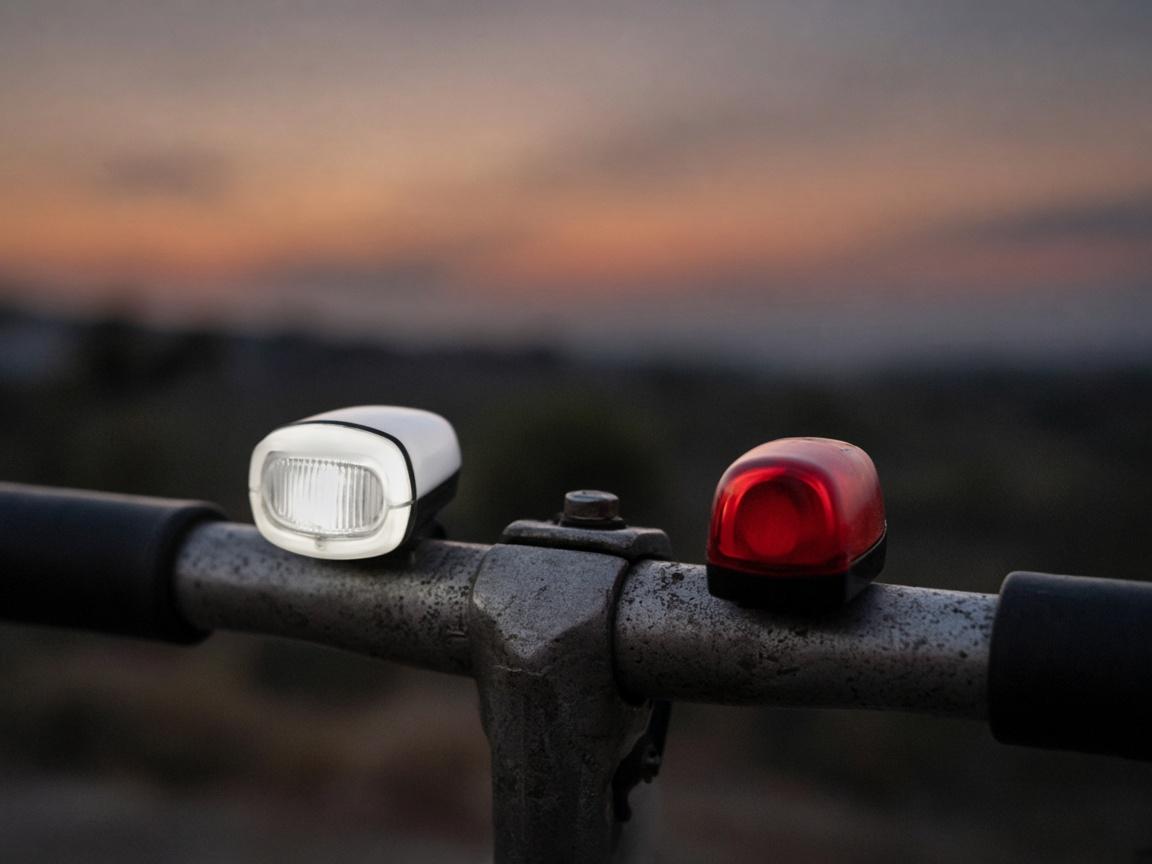
Cygolite
A throw forward and a flash behind, on mounts that stay put.
Buy this early
Often about $86
Opens in a new tab.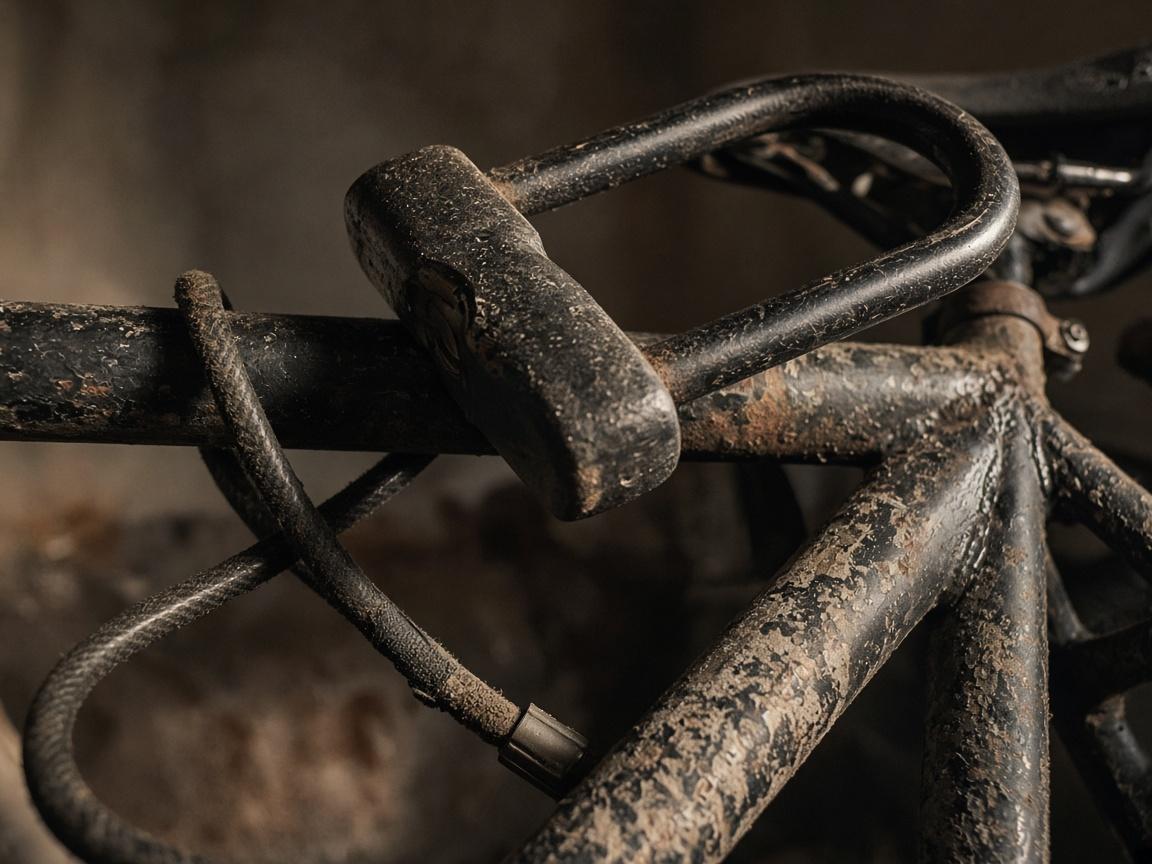
Kryptonite
A U-lock for every time you get off, including right outside camp.
Buy this early
Often about $110
Opens in a new tab.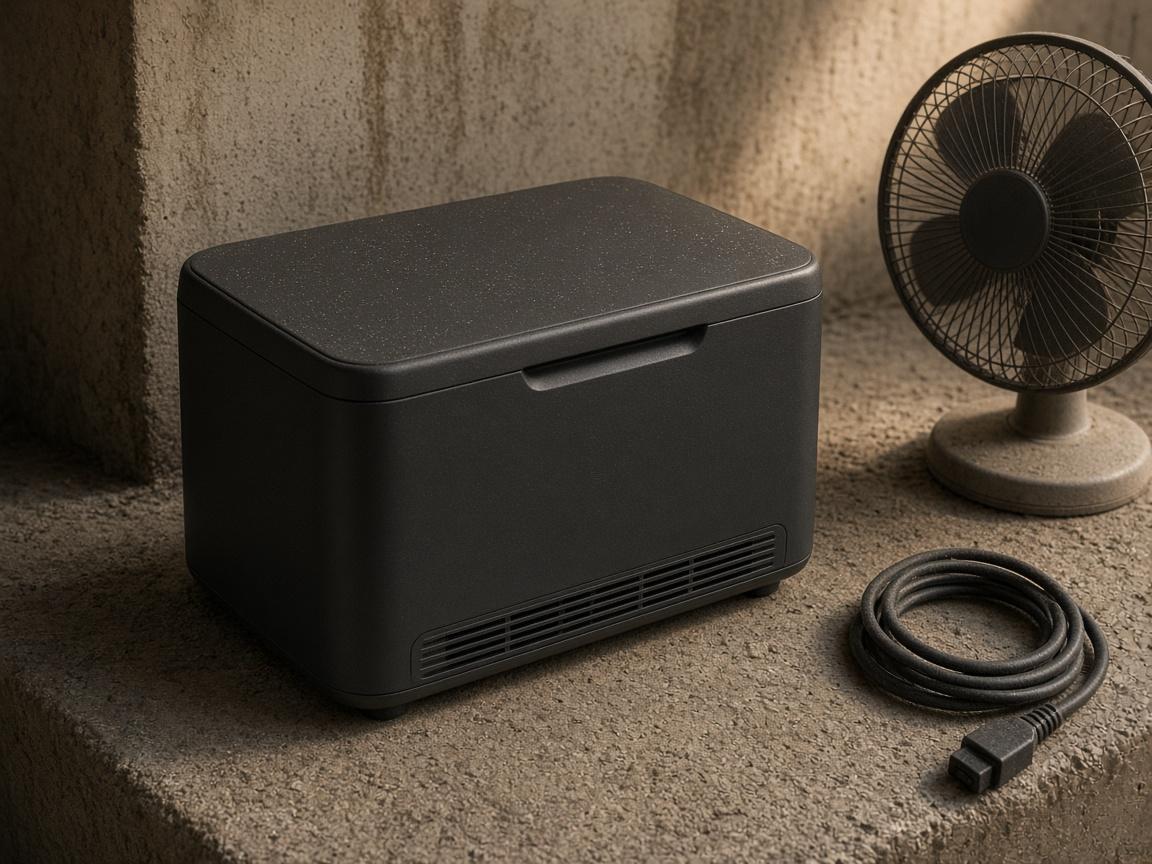
Jackery
About 300 watt-hours for lights, phones, a fan, and a laptop.
Buy this early
Often about $200–300
Opens in a new tab.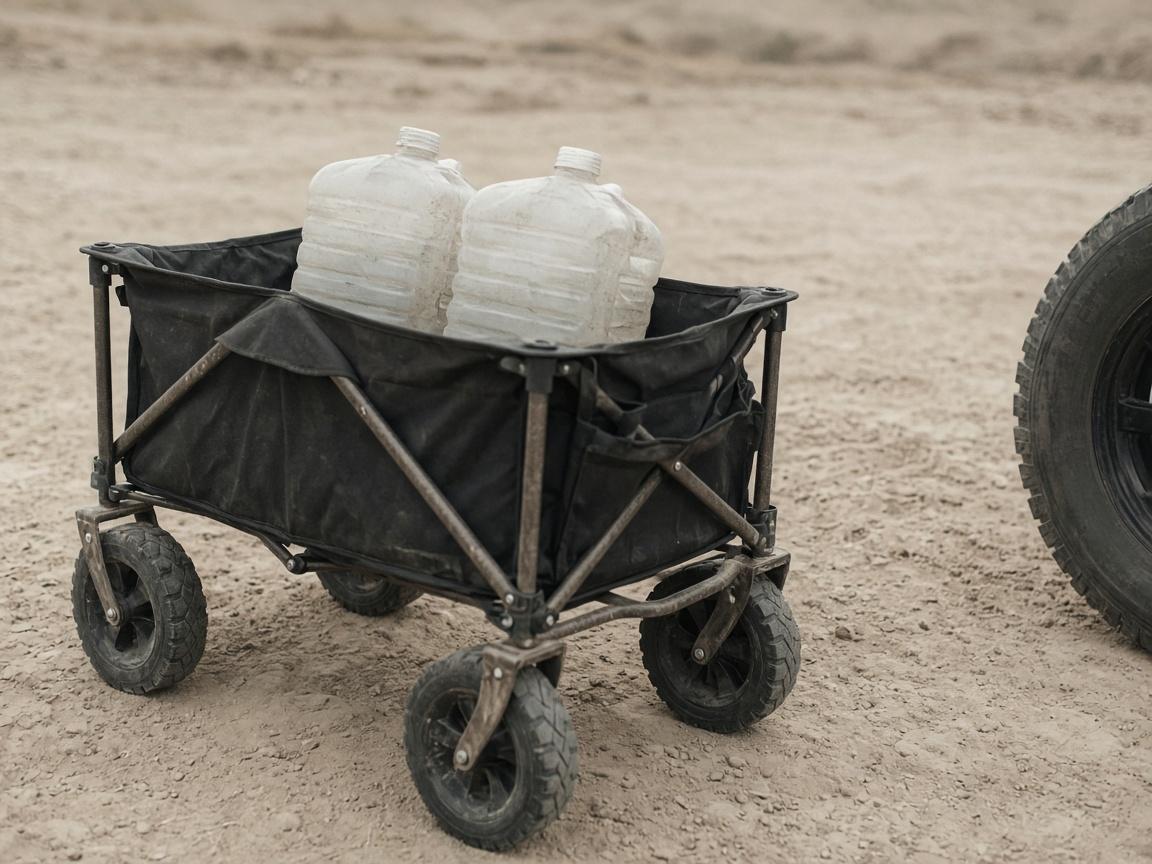
Camp
Haul jugs, a cot, and the shade bin from the car to camp.
Buy this early
Often about $100–160
Opens in a new tab.Save this list
The printable master list is the whole shelf. Dust, water, shade, the bike, a cold night, and a clean exit. Leave an email and we'll send it. You can open it now either way.
A kit is the shopping list for one job. Each piece is its own listing. We don't ship it as one box.