Sleep
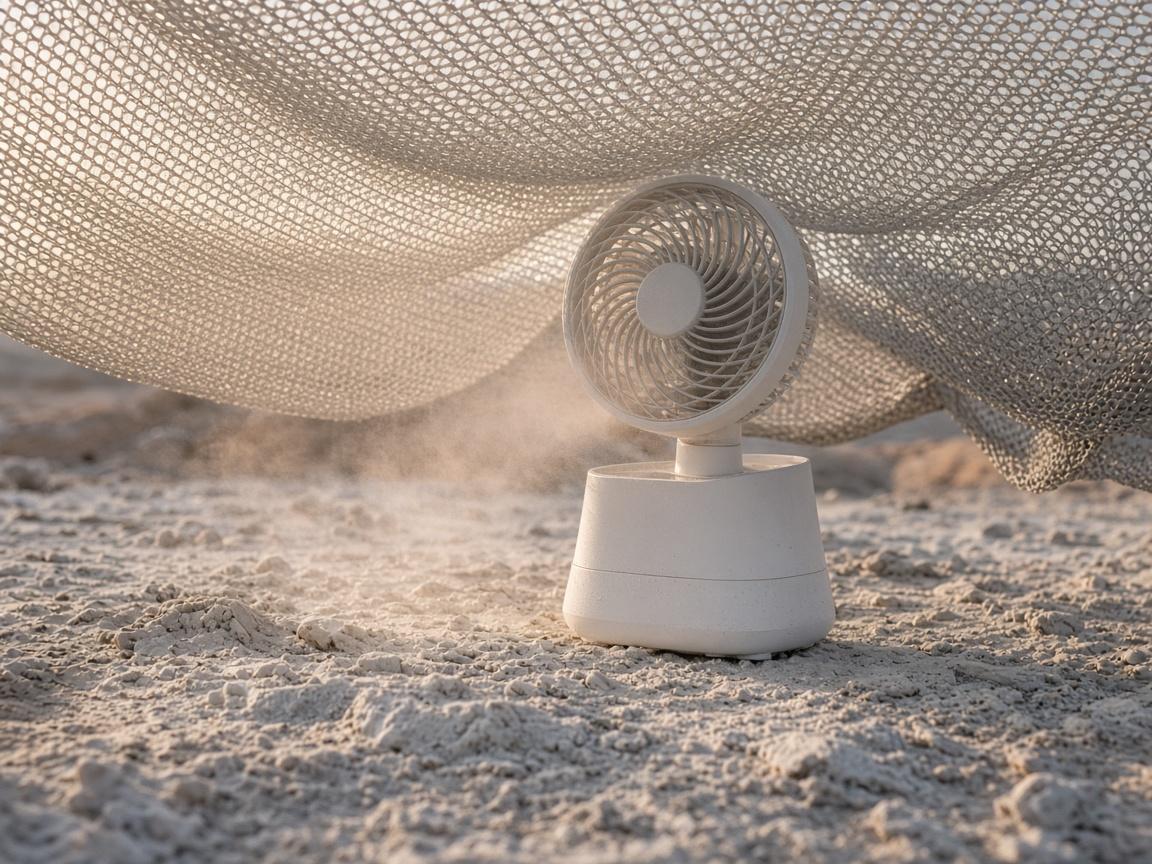
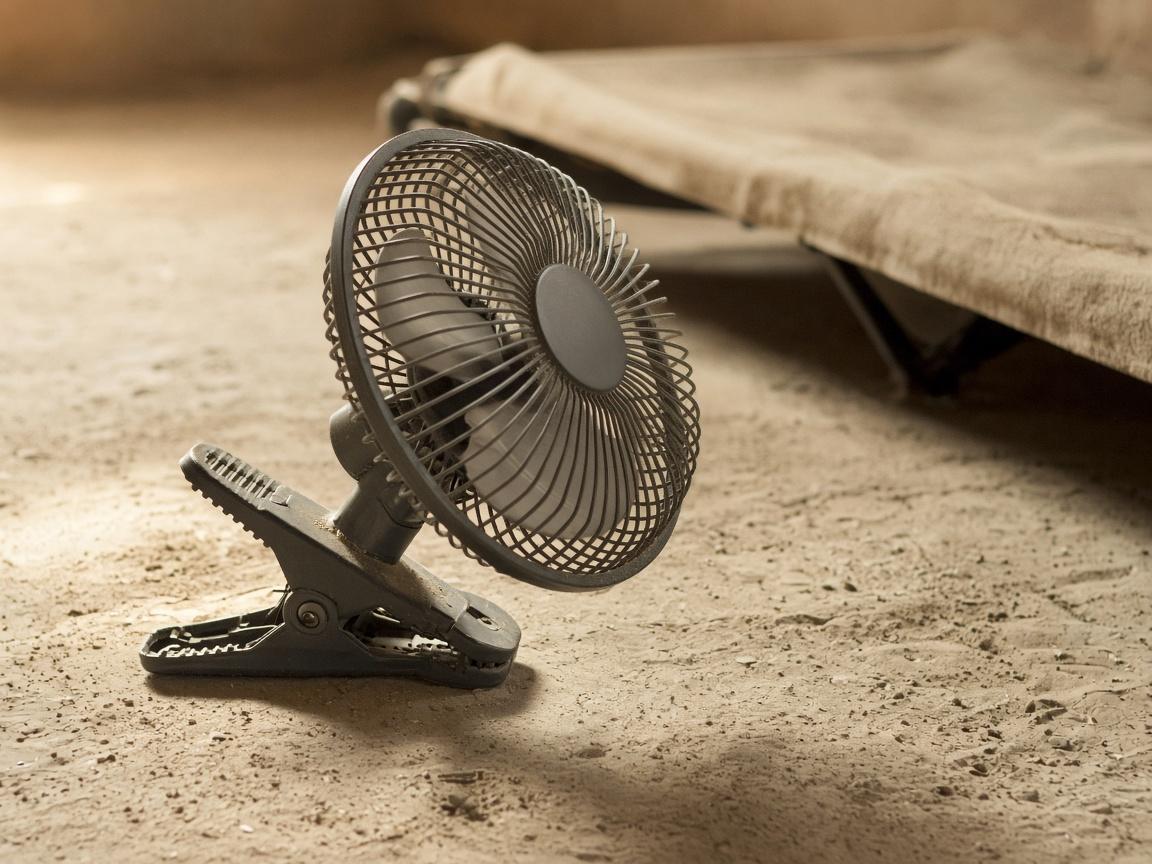
Rechargeable clip fan
A fan you can clamp to the cot frame for the hours you sleep in the heat.
Buy this early
Often $25–45
Opens in a new tab.Shade over the tent, air that moves, a mask for the sun, and a bag for the night that still drops into the forties.
9 min read
Sits beside Sleeping bags for cold Burning Man nights/Best tent for Burning Man/Gear worth bringing to Burning Man/Sleep kit/Sleep gear
Shop the sleep kit. Each piece is its own listing. We don't ship a kit as one box.
The cold-nights note is the bag, the cot, and the earplugs, because the afternoon was hot and the ground is not. The tent note is the full fly under shade. The glad-I-had note is the short version of the fan and the clean pillowcase. This page is the hot half of the same week: how to lie down at 2 p.m. without cooking, and how to still be warm at 2 a.m. The Survival Guide holds both facts in one section. Daytime temperatures routinely exceed 100°F. When the sun drops, temperatures can plummet 50 degrees. Overnight lows can be in the forties. People pack for the photo and then miss both.
Sleep is part of the plan. A week of short, furious nights turns into bad decisions in the sun, which is how the medical tents meet people who were only tired. We are not doctors. We are the people who want the bed to be usable at both temperatures.
We are an independent outfitter. We are not affiliated with, endorsed by, or connected to Burning Man Project. The event name is used so you know which week this gear is for.
Each card opens the shop. Amazon links are affiliate links. Your price does not change. How the links work.
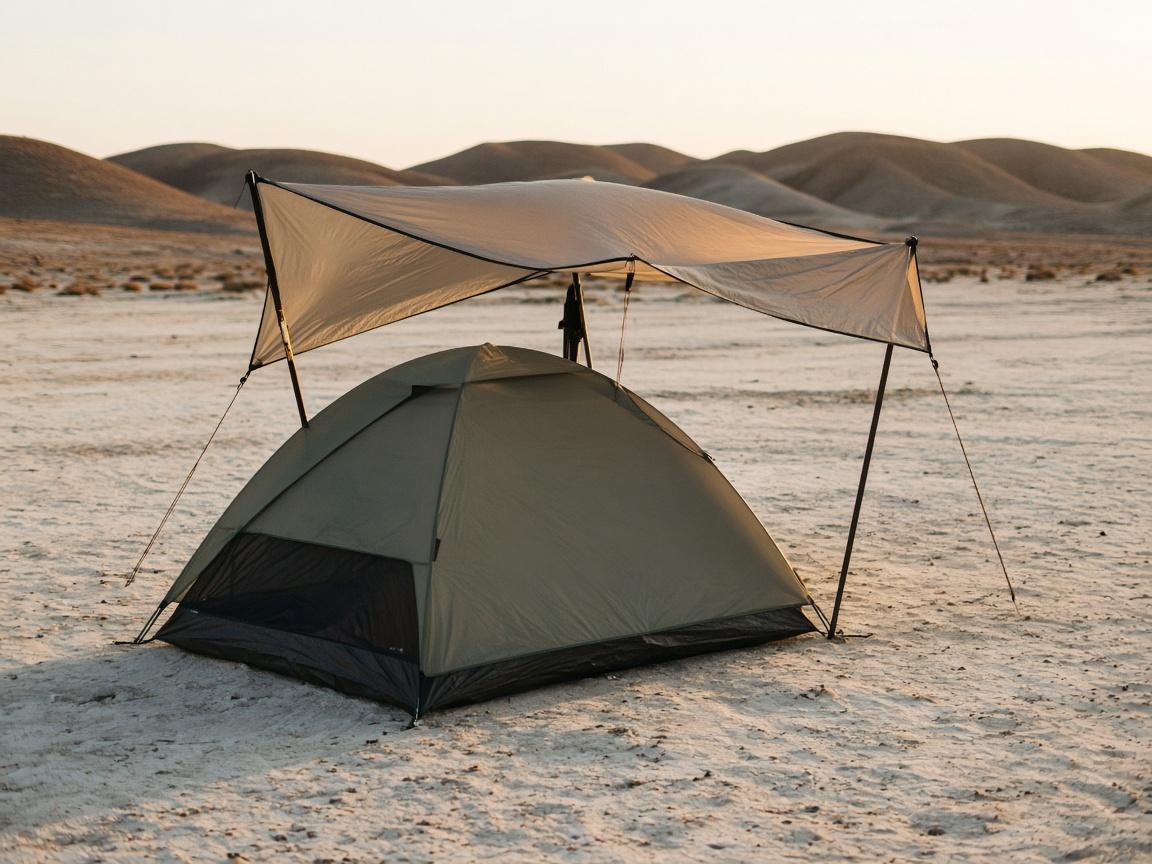
A fan in a closed tent with no shade is a hair dryer with a blade. Put the shade over the tent first. The fly keeps dust and a surprise rain off the inner tent. The shade is what keeps noon from arriving at 9 a.m. Dark fabric sleeps later than a bright one, and it is still not a substitute for the shade or for a mask if you are sleeping after the sun is up.
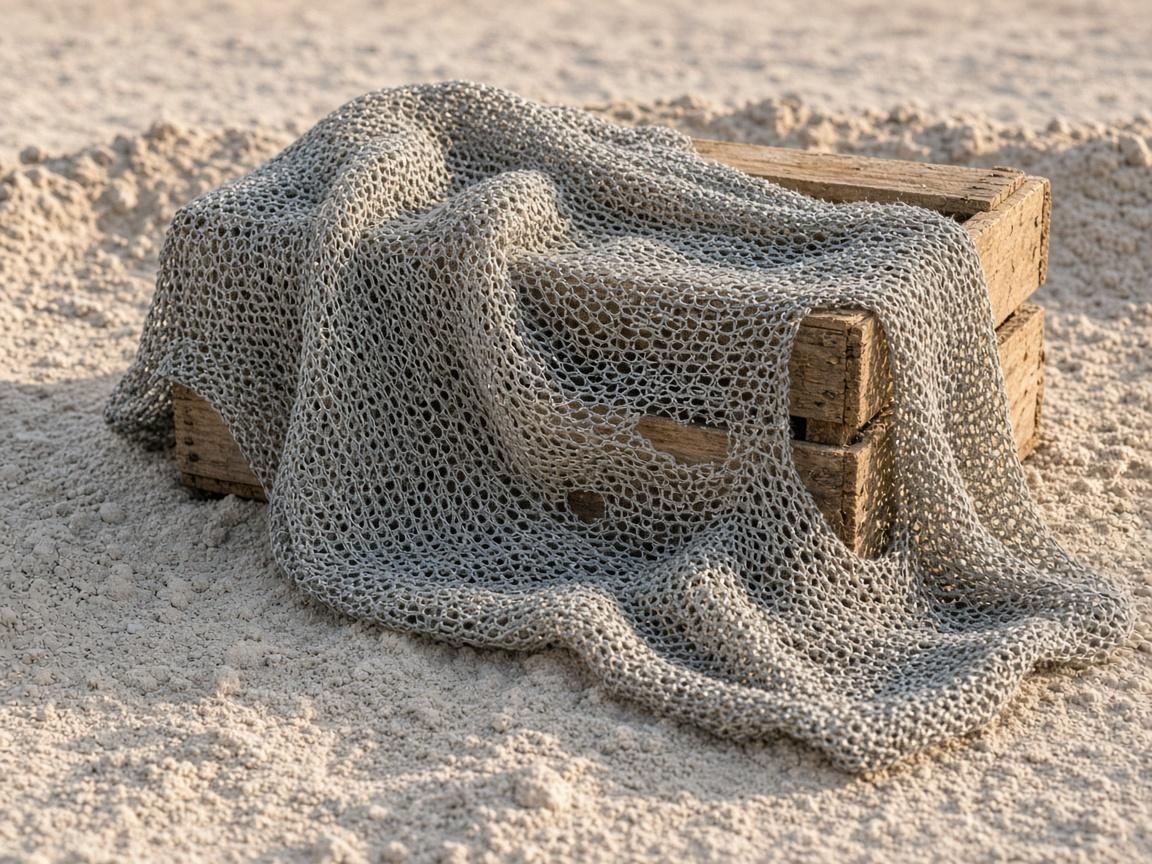
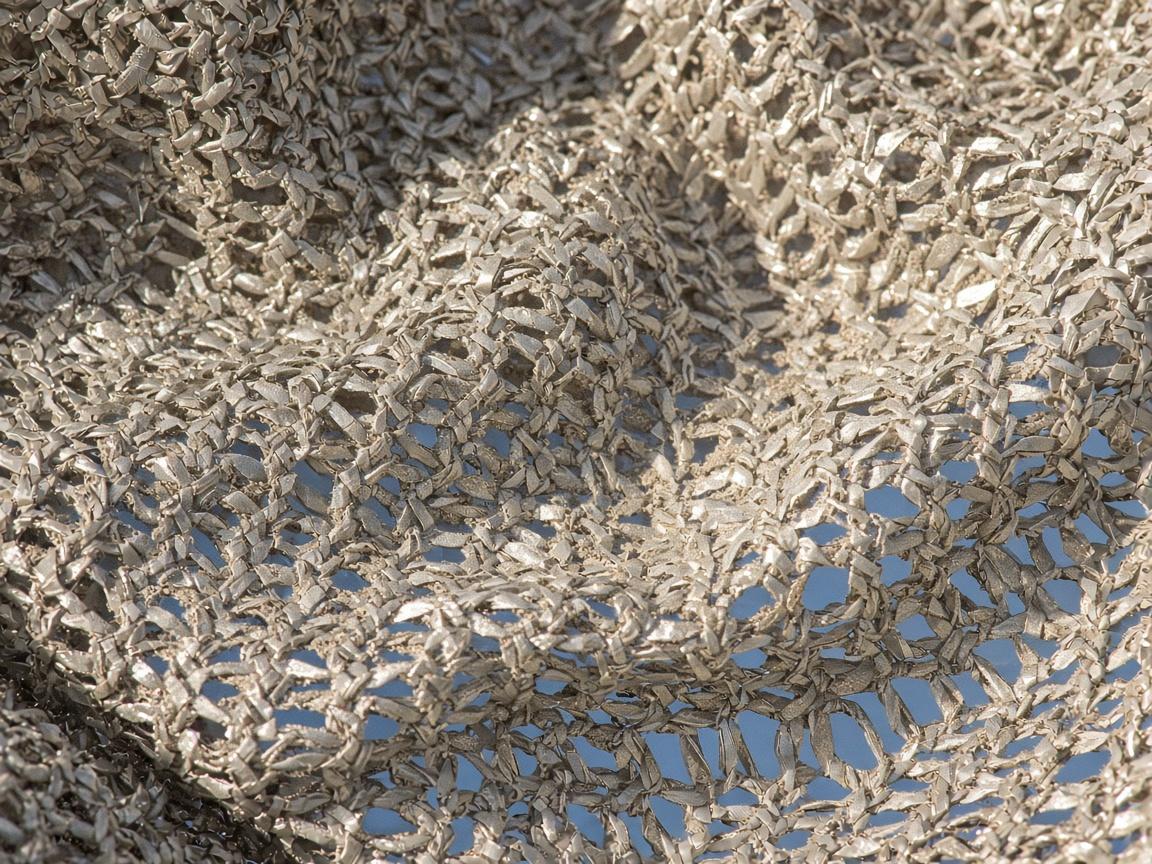
The tent we point at is a full-fly tent, not a beach canopy and not a play tent. Guy it out. Short stakes walk. If the tent is your only shade, it is the wrong tent for noon, which is why the shade guide exists. Open knit over the frame, not a solid tarp. A tarp bakes the camp and then bakes the tent under it.
Their guide says to consider laying low during the hottest part of the day. That is permission to nap. It is also a warning. The hours you spend "just walking over there" in full sun, without water, are the hours the dryness catches you. They note you may not feel particularly warm while you are steadily drying out. Come back to the shade before you are heroic.
Once the shade is real, a clip fan on the cot frame is the note that keeps coming back from other camps. Charge it with the phones before the gate. Aim it at the person, and keep the intake out of a dust cloud. A spare is how a dead fan at 2 p.m. does not ruin the nap. It is not air conditioning. Read the watts and put them on the power list so the station is sized for the nap you want.
A small misting fan is the one people stand in when the shade is up and the afternoon is still too much. The one we list has its own tank and can plug in when the battery is done. Fill it with water you counted. Mist is not a shower and it is not a reason to drink less. The nozzle clogs with playa. Keep it inside the shade, up off the ground, and wipe the intake before you pack it. A whiteout and a mist fan do not belong together. The maker's cooling claims are theirs. We are not going to repeat a temperature drop we have not measured.
A swamp cooler works by evaporating water into dry air. The Survival Guide's line about extremely low humidity is why people try them here, and why a cooler that was useless in a humid city can do something on the playa. "Something" is not a number we are willing to invent. Build or buy one only if you already understand the water it will drink and the water it will drip.
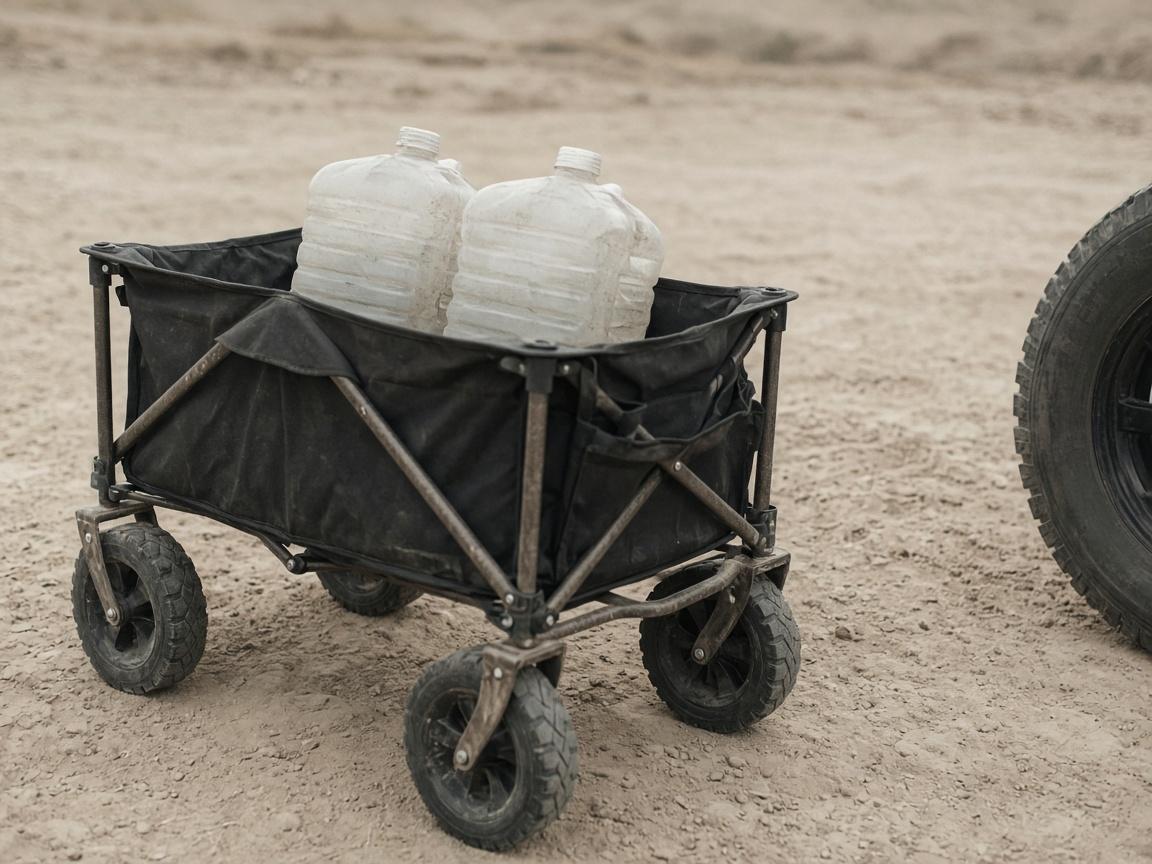
That water is not free. Their 1.5 gallons per person per day is for drinking, washing, and cleaning together. A cooler that quietly empties a jug is a separate line in the water plan, written down before you arrive, not discovered on Wednesday. Any drip on the playa is gray water. Their guide says gray water cannot touch the playa. Catch it and haul it, the same as dish water. A cooler with nowhere for the water to go is a spill.
We do not list a swamp cooler, because we do not have a unit we are willing to send you to with a straight face. The portable air conditioner on the power page is a different machine, with its own battery, an exhaust that has to leave the tent, and a price that should make you measure the tent first. Shade still does the open hours. A cooler of either kind is how a closed tent becomes a room. It is not how a camp skips the structure.
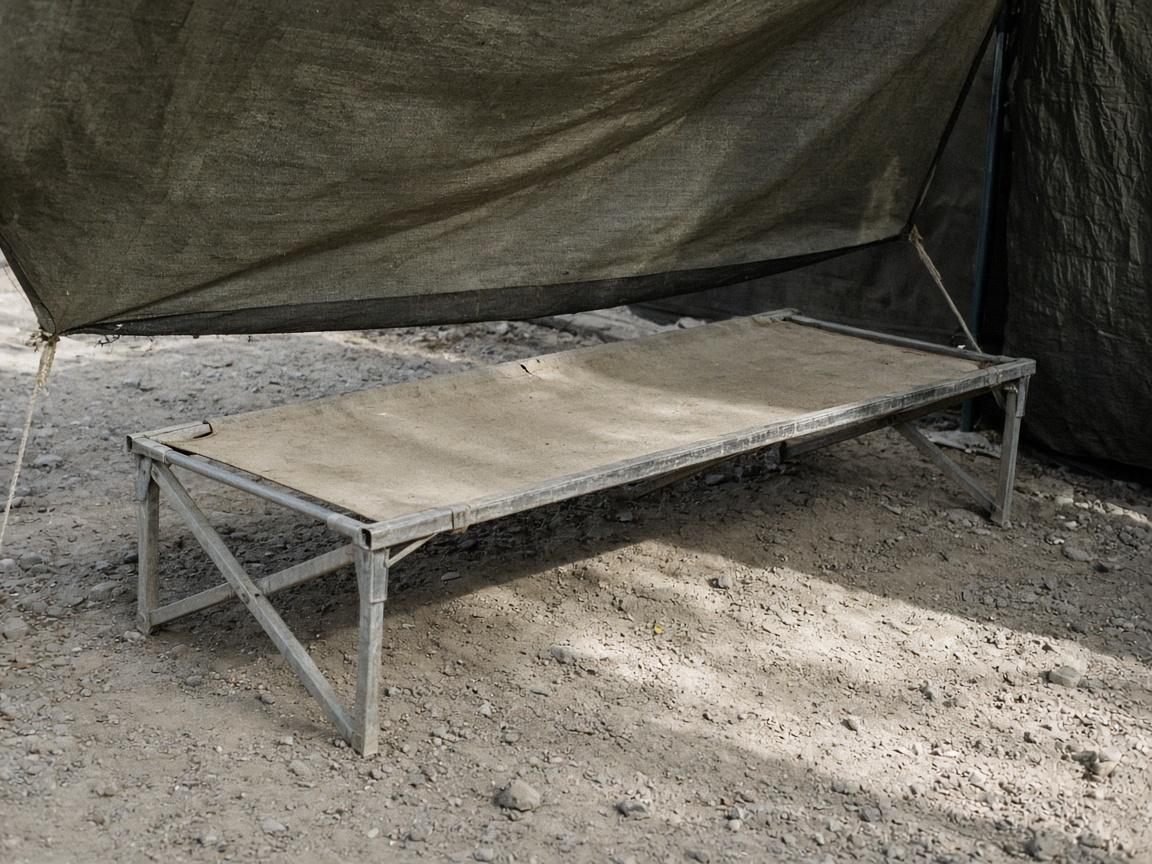
The ground pulls heat at night and finds every lump at noon. A wide cot is heavy, which is fine because you drove. A thick insulated air bed is the other way people sleep, inflated on the tent floor or a rug, never on bare playa. A foot pump still works when the battery is saving itself for lights. Find the hiss the hour it starts. A thin guest mattress from a house is cold by 2 a.m. and dead the first time it meets the dust.
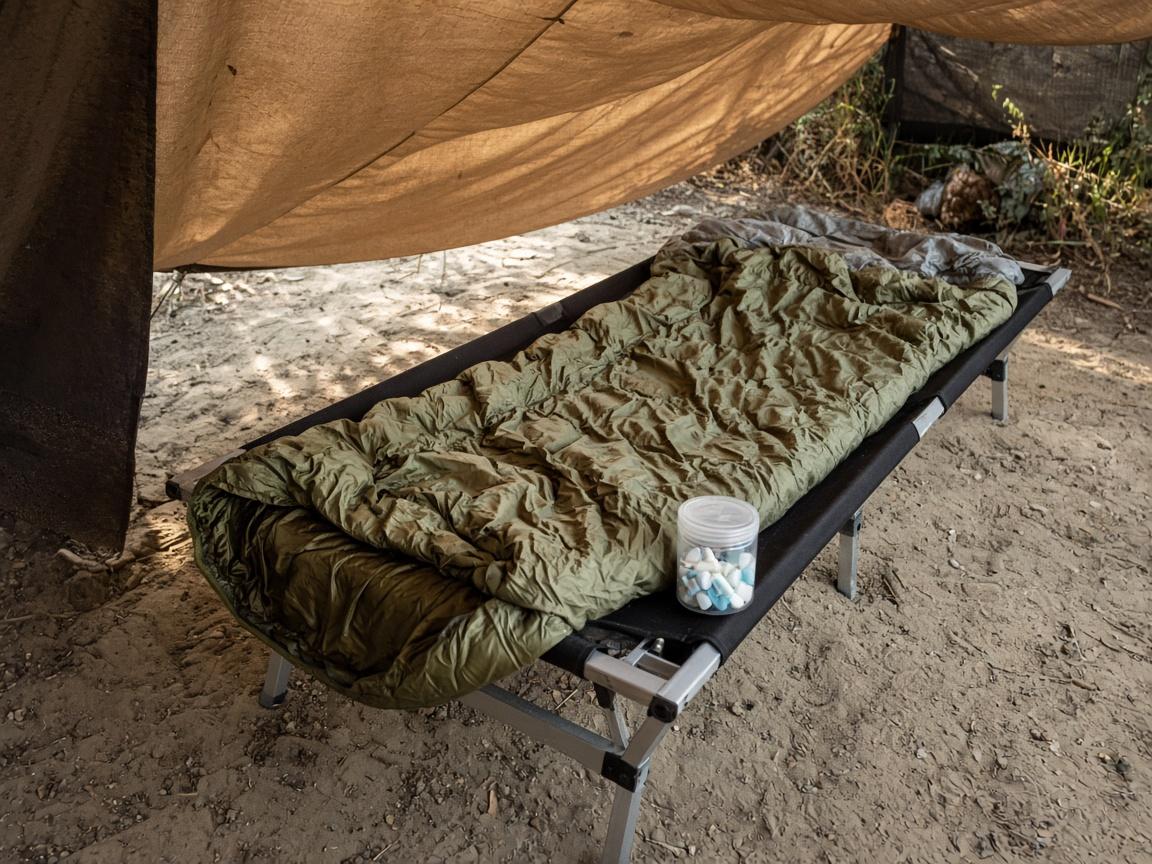
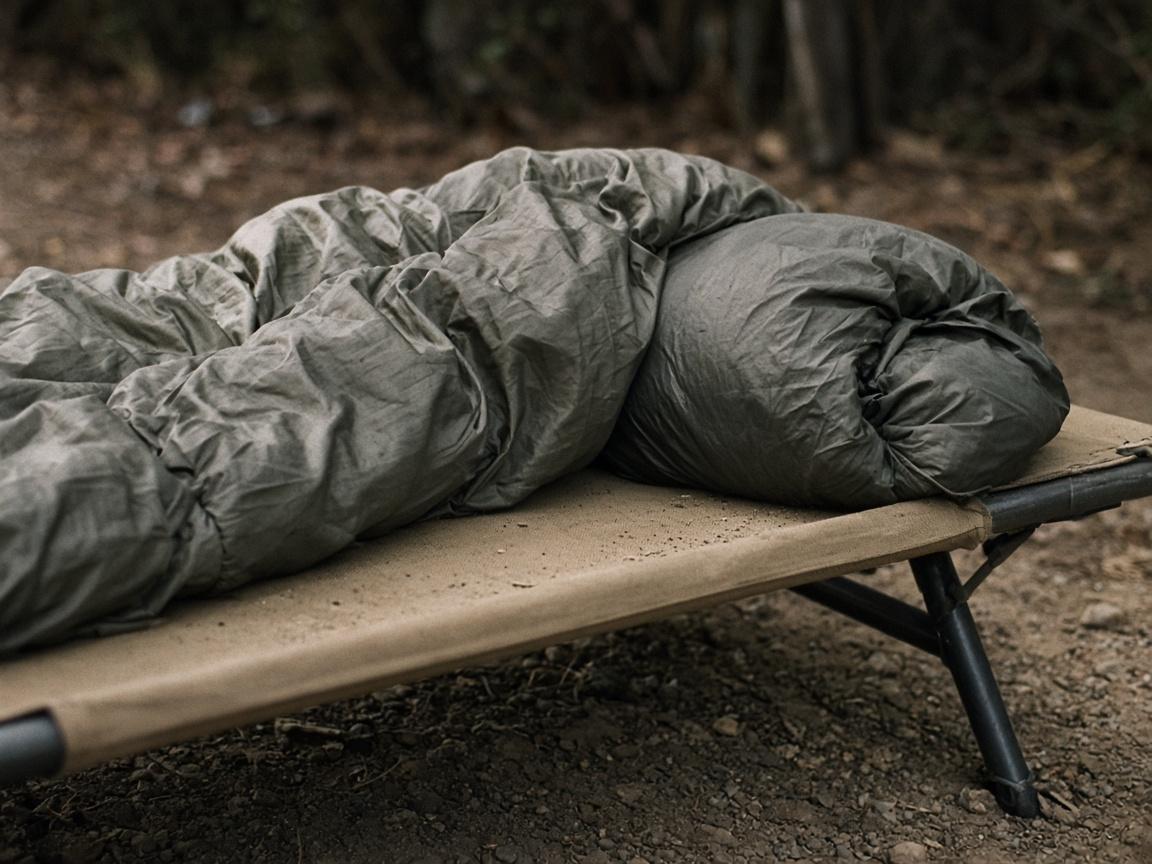
The cot and the bag are the cold-night half. Comfort ratings assume you are already in a base layer. Wear socks. A warm-weather festival bag is a picnic blanket out here. Synthetic insulation still works if a morning is damp. Down is miserable if it gets wet. Either is fine if the rating is honest. In the heat, sleep on top of the bag, not in it, and keep the bag in a bin so it does not become a dust filter before you need it.
A sheet or a stack of pillowcases over the bag means the dust you wore home does not become the pillow. Peel one off. The next one is clean. That is the glad-I-had note, and it is still the cheapest upgrade in the tent.
Shade helps. It does not make the inside of a tent dark at 9 a.m. A mask that blocks light is how a daytime sleep stays a sleep. Earplugs are the other half. Foam plugs live in a jar in the tent, rolled thin and held while they expand, plus a spare pair in the day bag. Loose plugs in a dusty pocket are finished. They reduce sound. They do not make it safe to sleep in a road.
The foam plugs are for the tent, when you want the camp to go away. The Soft Landings SoundControl pair is for the hours you are still out. Their page rates the filters at 18 dB. That figure is the maker's. We have not worn this pair ourselves. We have used their drink mixes and we like those. Foam still lives by the bed. The blackout mask is the light block, with shaped cups and a strap you can move. Their US price was $34.99 for the mask and $24.99 for the plugs when we checked those pages. We have not slept in this particular mask. Keep it in a pouch so the dust stays off the inside.
Soft Landings links are affiliate links. They ship from Australia, and their shipping page says a US order is typically 5 to 10 business days and can take up to 3 weeks. Your price does not change. These are a sleep mask and earplugs. Read the label. Nothing on this page is a medical claim or a treatment. The disclosure is the longer version of how the buttons work.
A lantern that dims, and a headlamp that can go red, keep you from being the lighthouse. The small lantern is for staying in the tent. It is a poor headlight. Hang it or set it on the little table, not on the floor, where it becomes a dust puck and a thing you kick.
Set the warm layer and the socks where your hand can find them without a search. The ride home is often the coldest hour. A pashmina is the wrap. An insulated layer is the one that still works when you are moving. Hand warmers go in a pocket, over the layer, for that ride. Leave feathers and glitter at home. They are moop, and their guide names glitter as not allowed.
If the wind comes up while you are asleep, their whiteout instructions still apply in the morning: weight the tent corners, and keep rebar ends capped or bent. A sleep system under a shade that left in the night is a sun problem by breakfast. The shade guide is how the structure stays. This page assumes it did.
The sleep kit is the shopping pile, including the Soft Landings mask and the filtered plugs alongside the foam. The night-out kit is the version aimed at a late night and the sleep after. Water is still the plan under all of it. A nap you earned by drinking is a better nap than a nap you are using to recover from not drinking. Their guide is plain about headaches and heat. Shade, water, and a person who will walk you to a medical station are the response if someone is in real trouble. A fan is not that response.
Soft Landings
A blackout mask for sleeping after the sun is already up.
$34.99 at Soft Landings
We may earn a commission if you buy through this link. You buy it from Soft Landings, and they ship it.
Opens in a new tab.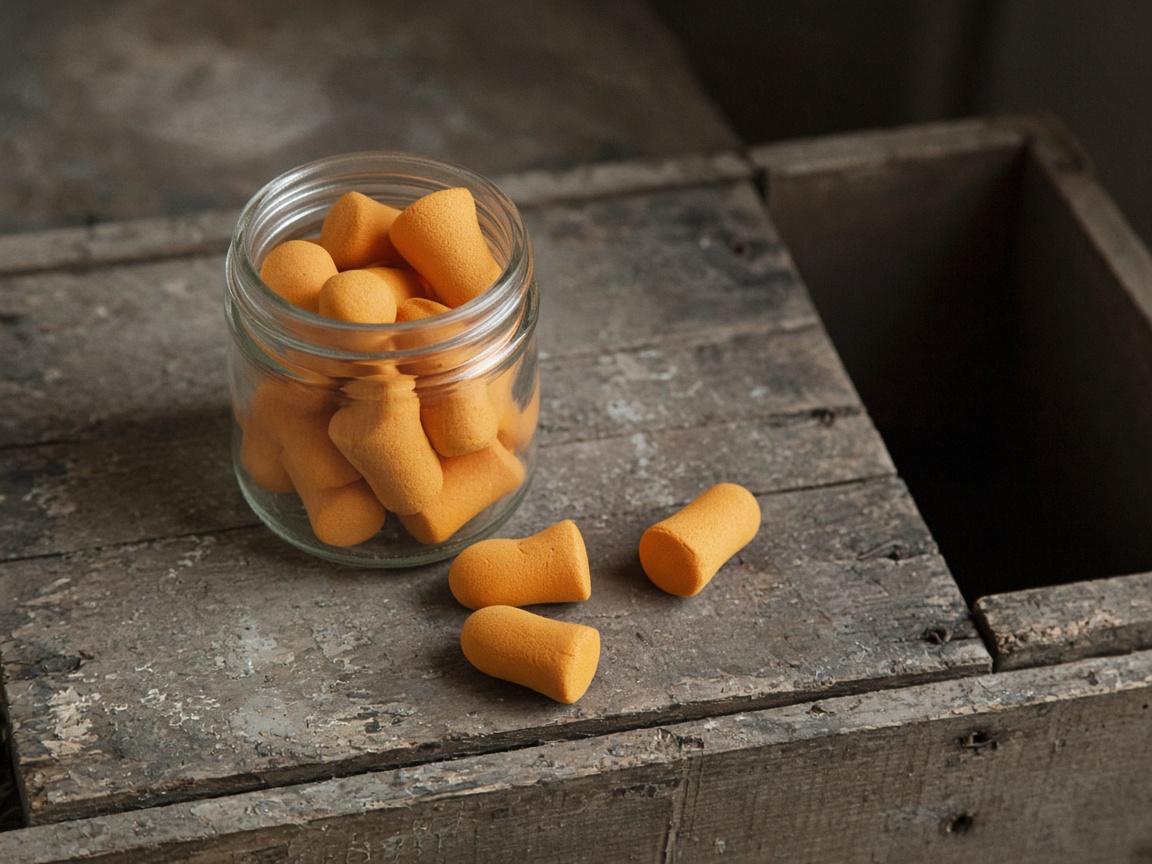
Mack's
Foam earplugs for a camp that doesn't get quiet.
A 50-pair jar is often $15–25
Opens in a new tab.Soft Landings
Filtered earplugs that lower the volume and still let you hear the music.
$24.99 at Soft Landings
We may earn a commission if you buy through this link. You buy it from Soft Landings, and they ship it.
Opens in a new tab.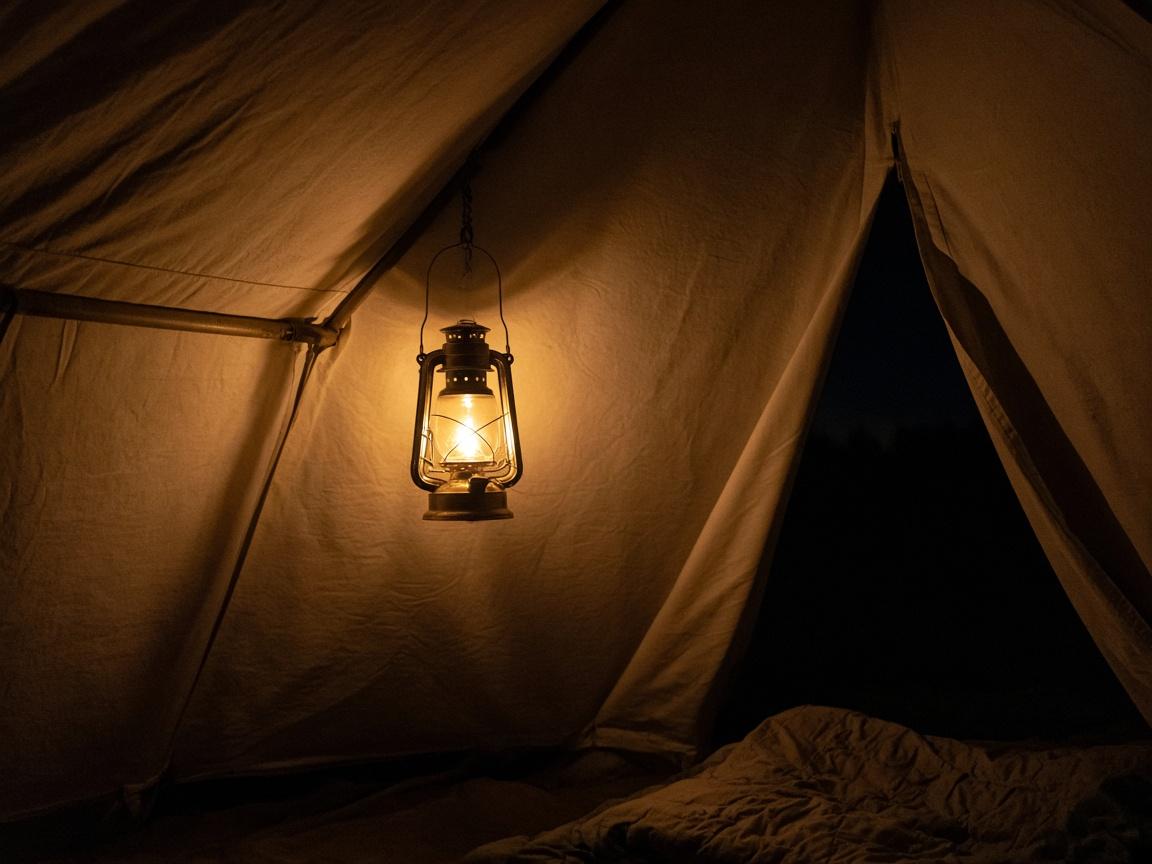
Black Diamond
A small rechargeable lantern you can hang in the tent or set on a bin.
Often about $50
Opens in a new tab.A kit is the shopping list for one job. Each piece is its own listing. We don't ship it as one box.