The bike note already says the true thing in one paragraph: lights make you visible, and they do not tell you which way your friends went. This page is that problem for a whole night. The Survival Guide puts it in the safety section. The playa is dark. It is easy to run into people and things you cannot see, including unlit art, pedestrians, and bikes. They ask you to imagine being the driver of a mutant vehicle. Walking or riding with no lights is not safe. Light yourself, your bike, your art, and your belongings. Glow sticks do not cut it and become moop. Lasers are not appropriate lighting.
Name the place in daylight, while everyone can still listen. "I'll find you" attached to a pin on a phone is how a group becomes three groups once the battery dies.
We are an independent outfitter. We are not affiliated with, endorsed by, or connected to Burning Man Project. The event name is used so you know which week this gear is for.
Agree, then leave
Pick a place you can say out loud without a screen. Camp, and the marker you can see from the street. Or a corner you both walked. Or the canopy at Center Camp, which their guide calls one of the city's natural meeting points, open through the night. Pick a time with slack in it, because nobody crosses the city in the minutes they planned. If you miss it, the next time is also named. "We'll play it by ear" is how you miss each other.
Write the camp address on paper and put it in a pocket. Their arrival notes are full of ways a phone fails you, including the simple one: there is very little service, and they discourage living in it. A paper address still works when the battery does not. Tell the plan to the person who is sober enough to repeat it. If that is not everyone, the plan is not shared yet.
Their Playa Info desk, at Esplanade and 5:45, keeps a directory where you can register yourself and a camp location and look people up. They note there is no internet access. Maps and bulletin boards are there. That desk is a backup for a plan you already made. It is a poor first plan if you are tired, it is midnight, and the person you want is not registered.
Be a thing other people can see
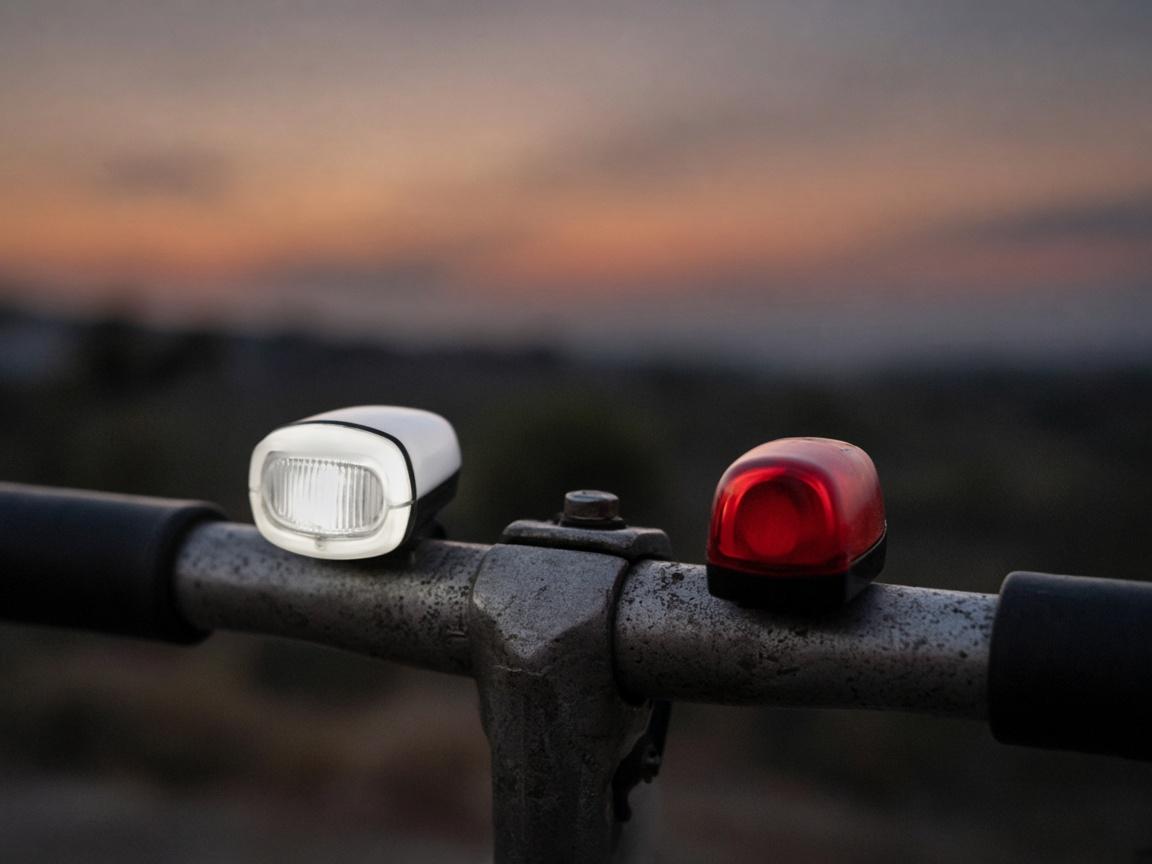
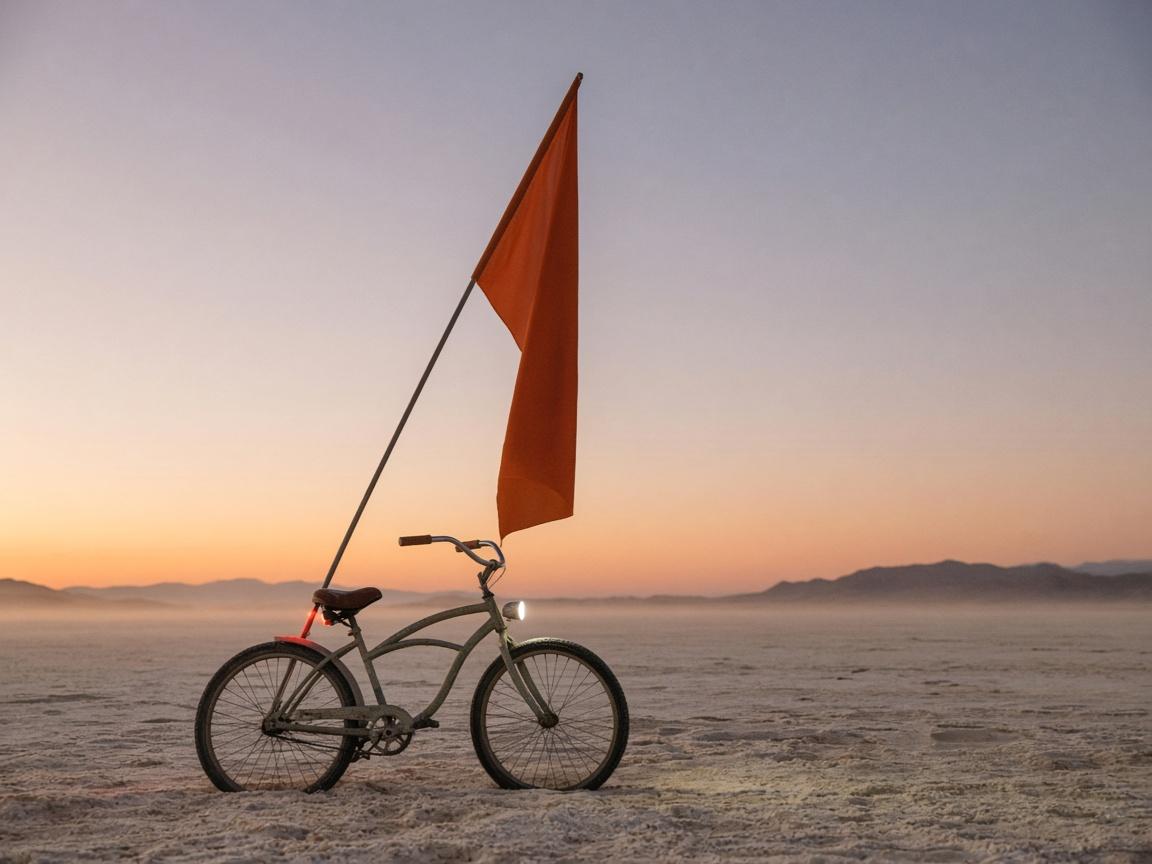
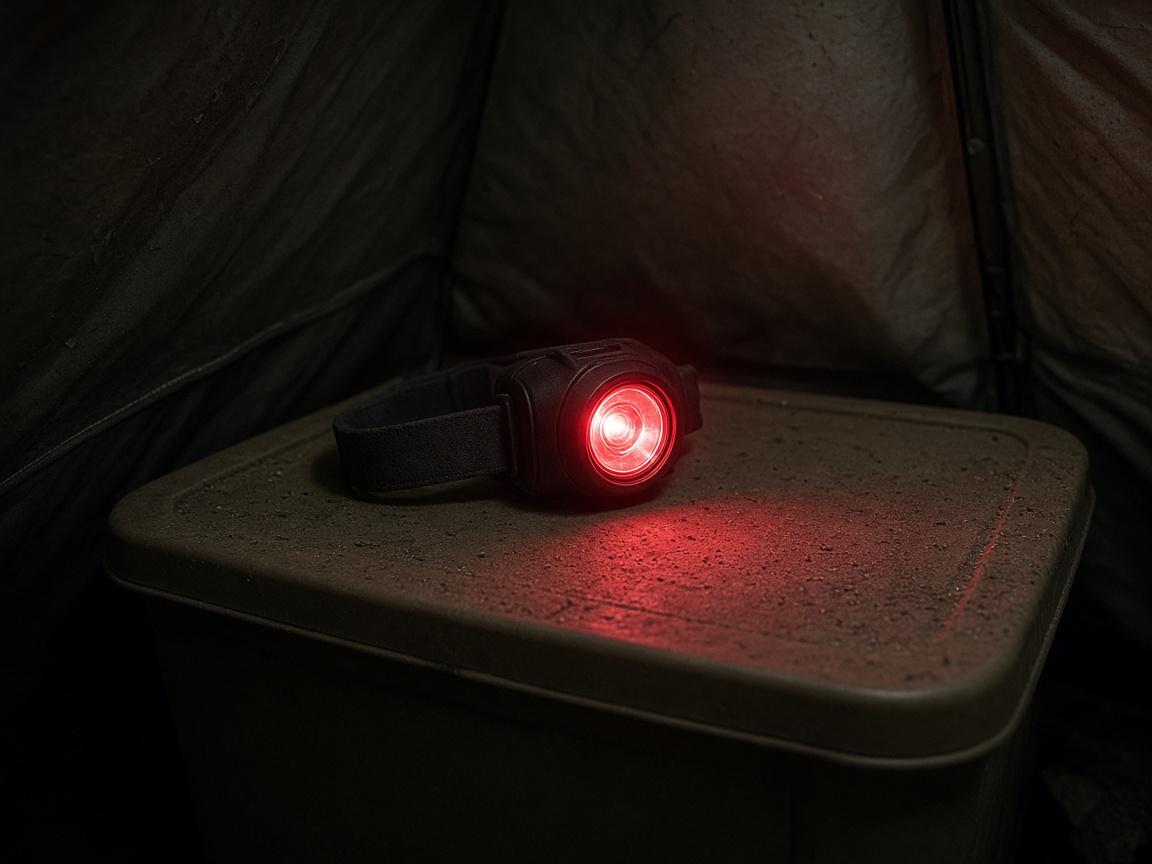
A front bike light and a red rear light, on the bike, charged. A tall flag so you exist above the handlebars. A headlamp for when you lock the bike and walk. Red in a tent. White when you need to find a stake. Take the bike lights with you when you park, so the walk and the bike are both lit on the way back. The bike prep guide is that work. This page assumes you did it.
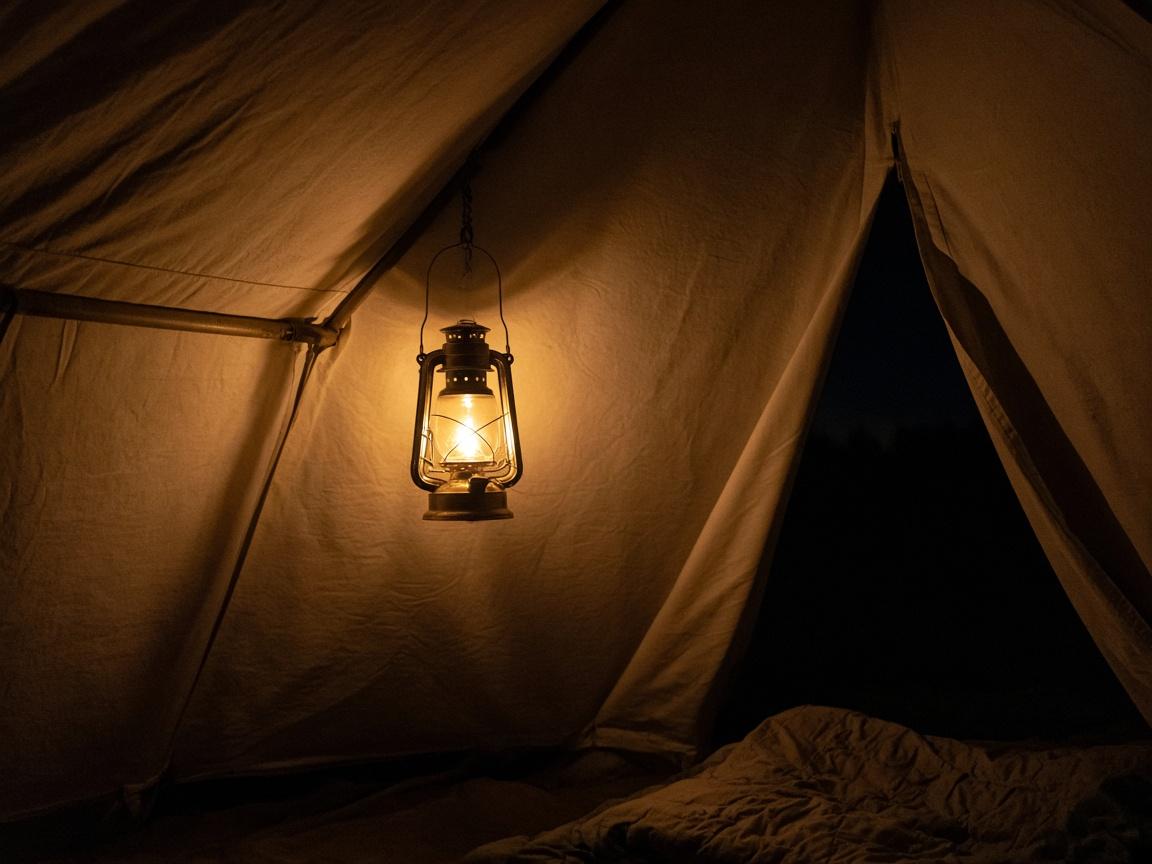
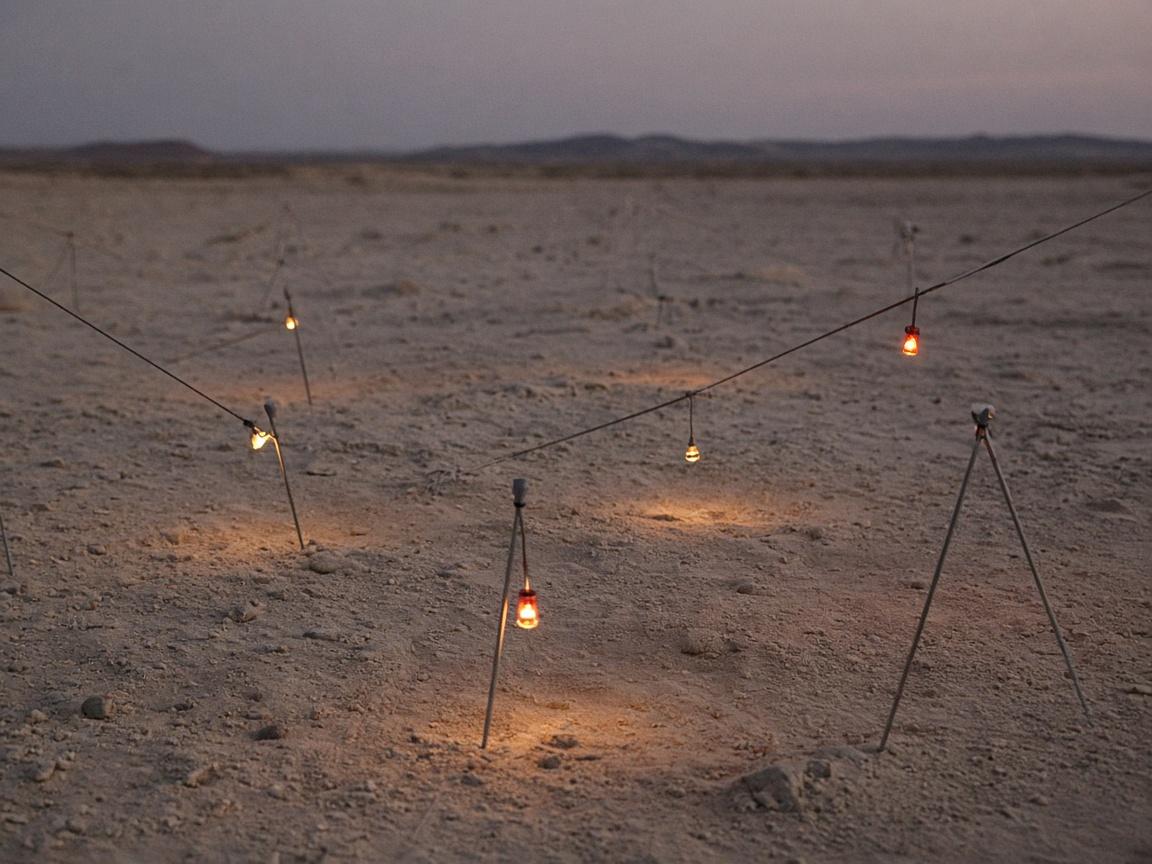
A small lantern marks the tent for you, and it is a poor headlight for the city. Camp string on the shade marks home, if the station is up. Stake lights mark the guy lines so you do not clothesline yourself on the way into your own bed. None of those replace the light on your body while you are out.
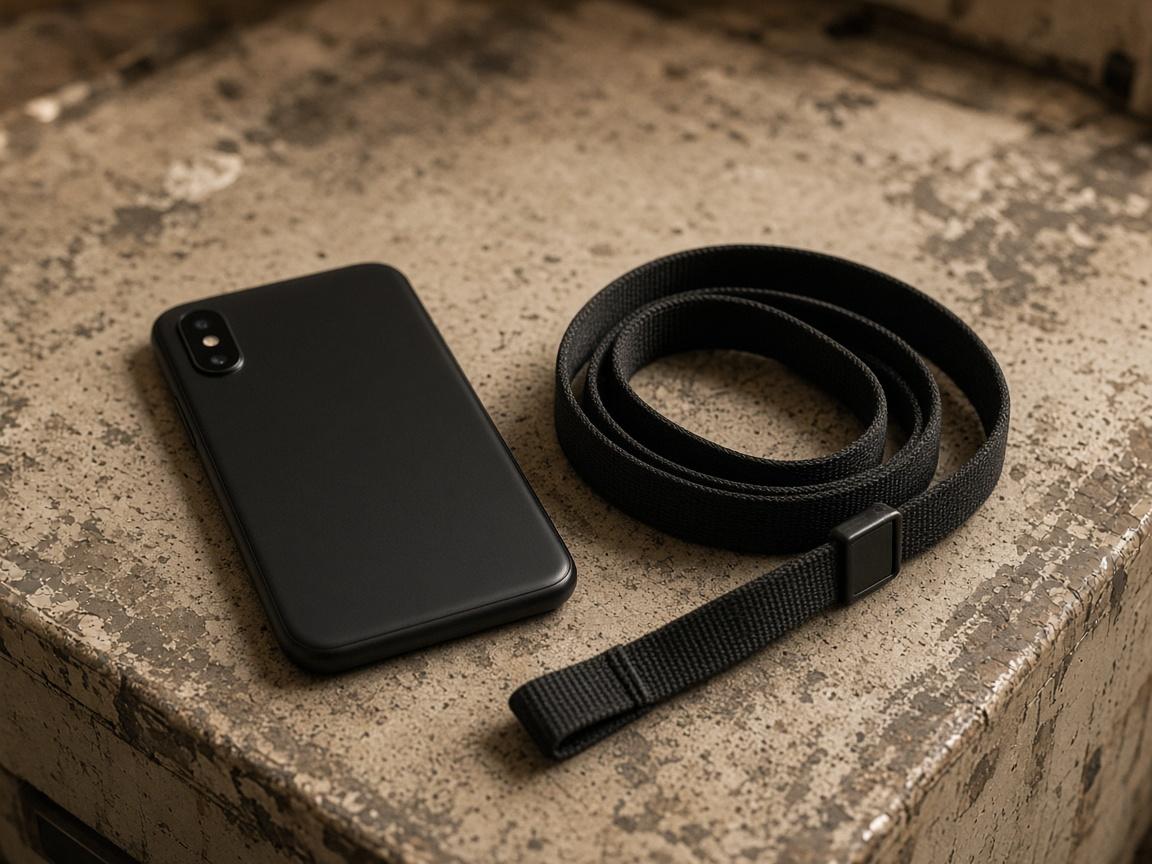
A phone tether is how the phone stays on you in a crowd. Their should-bring list names phone straps. Clip it before you leave, and keep it out of the spokes. A tether is not a waterproof case. A small dry bag is that, when it rains. Mark the phone with your name anyway. Their lost-and-found note says the best chance of getting something back is a name, a mailing address, and a phone or email on it, especially on the phone and the backpack.
A compass, if everyone has one
The Totem Compass is the puck people wear when the phone is done. Our gear note is built from their manual and their product page, and we are not going to add numbers they did not print. It reads its own position from satellites, then shares that position with the compasses you bonded, over a 2.4 GHz mesh. Bonding is both devices side by side. You can drop a bond later. One compass finds nobody. Everyone you hope to meet needs their own.
Bond them at camp, outdoors, before anyone rides off. Give the satellite lock a clear view of the sky. Totem lists a direct range of 1,000 meters between two compasses, and says a crowd of other compasses can carry the signal farther through the mesh. A dim, breathing light means you are following the last place it heard that friend. Inside about 100 meters the light grows as you close the distance. Their manual puts full-brightness Vibe mode around 6 to 8 hours and Eco mode around 22 to 24 hours. The product page also says all-weekend battery. Charge it from the bank you already pack, before you leave camp.
Their app can stretch the range when both phones have data. That path needs a signal. The mesh does not. The product page calls the puck dust-proof. The manual tells you to keep it away from excessive dust, sand, and debris. Bag it in a whiteout. Rain and splashes are what the manual allows. Swimming is outside that. The button on our page opens Totem's own shop. We have not joined their affiliate program, so that link does not carry a tracking code.
The compass is optional. Water, goggles, lights, and a lock still come first. A heading toward a friend does not make an unlit bike safe, and it does not replace the meetup you named. If the light is breathing, you are chasing a last-known place. Walk like that is true. Call their name when you are close. The city is full of people following their own lights.
Radios, for the people who will actually carry one
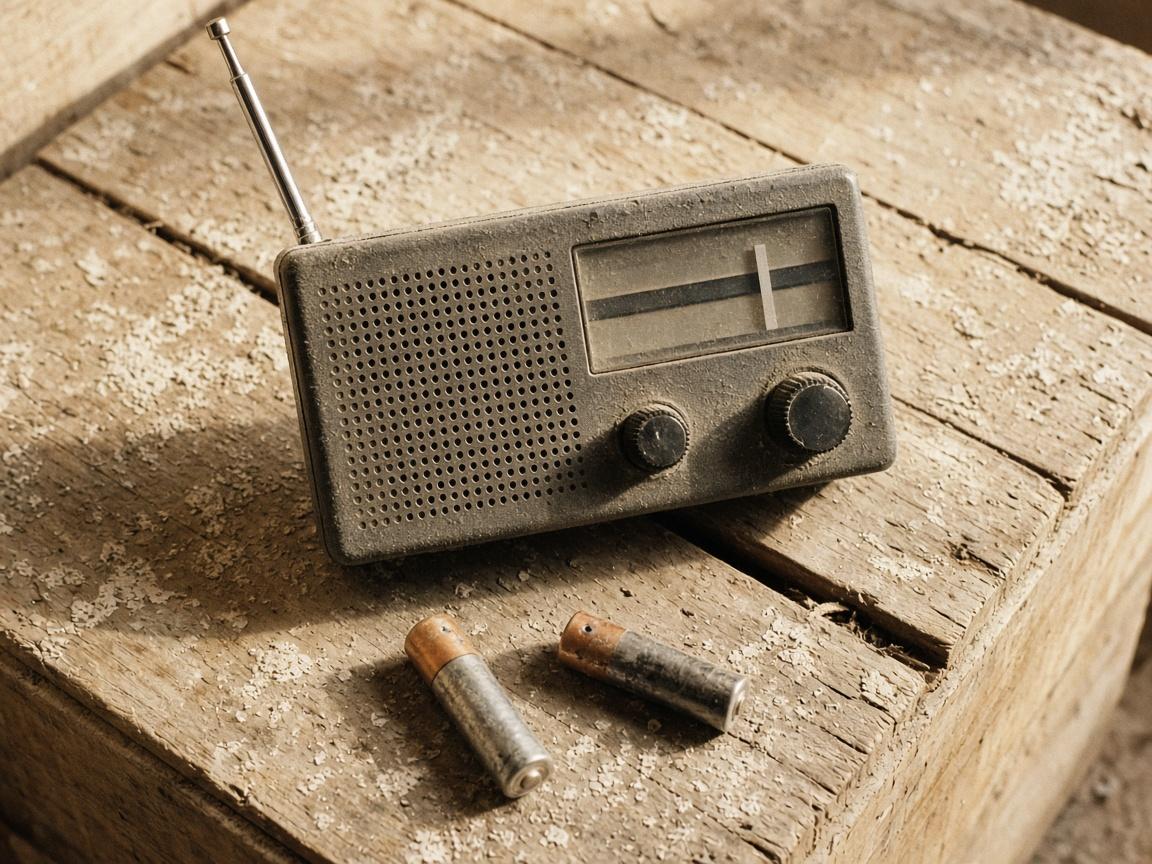
A battery or solar radio is on their must-bring list so you can hear BMIR at 94.5 FM. That station is news, weather, and the city talking. It is not a private channel to your friends. If your camp runs a pair of handheld radios, that is a camp system with a channel you agreed on, and it only works if the batteries are charged and the people remember they have them. We do not list a family-radio pair, because the ones that get bought and then left in a bin are a clutter we have stopped recommending. BMIR is the radio we do want in camp, including during a rain or a whiteout, when their guide says to listen.
Whiteouts, burns, and the walk home
If the wind comes up while you are out, their instructions are to seek shelter, and if you cannot, to sit down, turn your back to the wind, cover your face, and wait. That is not the moment to keep walking toward a meetup. The meetup can slip. A whiteout is how people get hit by things they cannot see, including vehicles. If you are on a bike, stop. If you are in a vehicle that is somehow still moving, they say stop and wait. Goggles and a respirator go on before you need them. The dust note is that kit.
Their guide asks you not to bring bikes, chairs, or large coolers to the larger burns. Agree to lock the bikes in a lit place and walk in together, and agree where that lockup is. Separating "just to grab the bike" is how the group loses the one person who knew the way home. On the way back, the camp marker is the thing you are riding toward. A flag, a banner, something distinctive, is on their should-bring list for that reason. A marker that fell over in the wind is a marker you fix before you go out again.
If someone is in trouble, their guide is clear about where help is. Emergency Services and the medical stations are marked, including the lighted red cross. Rangers can reach law enforcement and the crisis team. We are not going to rewrite their map. Read the current guide, know that the stations exist, and do not try to be the medical plan for a friend who needs one. A meetup is for people who are late. It is not for people who are hurt.
- —A place and a time, said out loud, with a second time if you miss the first.
- —The camp address on paper, in a pocket.
- —Lights on you and on the bike. Flag up. Glow sticks left at home.
- —Phone tethered, name on it, bike lights in your pocket when you lock up.
- —Compasses bonded at camp, in the open, one per person, or not used at all.
- —A whiteout plan that is "sit down and wait," not "keep looking."
- —Bikes parked and locked before a big burn, and a marker you can see at home.
- —BMIR if you want the city. A private radio only if the camp will really carry it.
The find-your-people kit is the compass, the headlamp, and the tether. The compass opens on Totem's site. The lamp and the tether are ordinary listings. Agree on the place anyway. A boring sentence spoken at camp while the sun is still up still works if the puck never leaves the bag.