Reliance
Reliance Aqua-Tainer, 7 gallon, two pack
The jug people actually stack, carry, and dispense from.
Buy this early
Often about $54
Opens in a new tab.The Survival Guide's 1.5 gallons, then the jugs, the bottle you carry, and the washing that must not steal from drinking.
9 min read
Sits beside Burning Man cooler and ice/What food to bring to Burning Man/Water kit/Water gear
Shop the water kit. Each piece is its own listing. We don't ship a kit as one box.
Do the math before you fall for a cute canteen. This page is that math, with the city's sentence in front of it. The 2026 Survival Guide says: you must bring your own water. You will need 1.5 gallons of water per person per day for drinking, washing, and cleaning. Always carry a full water bottle when you leave camp. Public pools and showers are not permitted. The same lines are in the PDF booklet. Their potable water page says to plan the whole event at 1.5 gallons per day per person, and that you can buy ice on playa and still need to bring the liquid water.
We are an outfitter, not the event. If their page and this page ever disagree, pack to their page and then add the margin you can carry. The number above is theirs. The jugs below are how we buy it.
We are an independent outfitter. We are not affiliated with, endorsed by, or connected to Burning Man Project. The event name is used so you know which week this gear is for.
Each card opens the shop. Amazon links are affiliate links. Your price does not change. How the links work.
One person, one day, 1.5 gallons, for drinking and washing and cleaning together. Seven days is 1.5 times 7, which is 10.5 gallons, for that one person, for those three jobs, if you use the city's number as written. Two people over the same seven days is 21 gallons. Four people is 42. The multiplication is the plan. A guess is not.
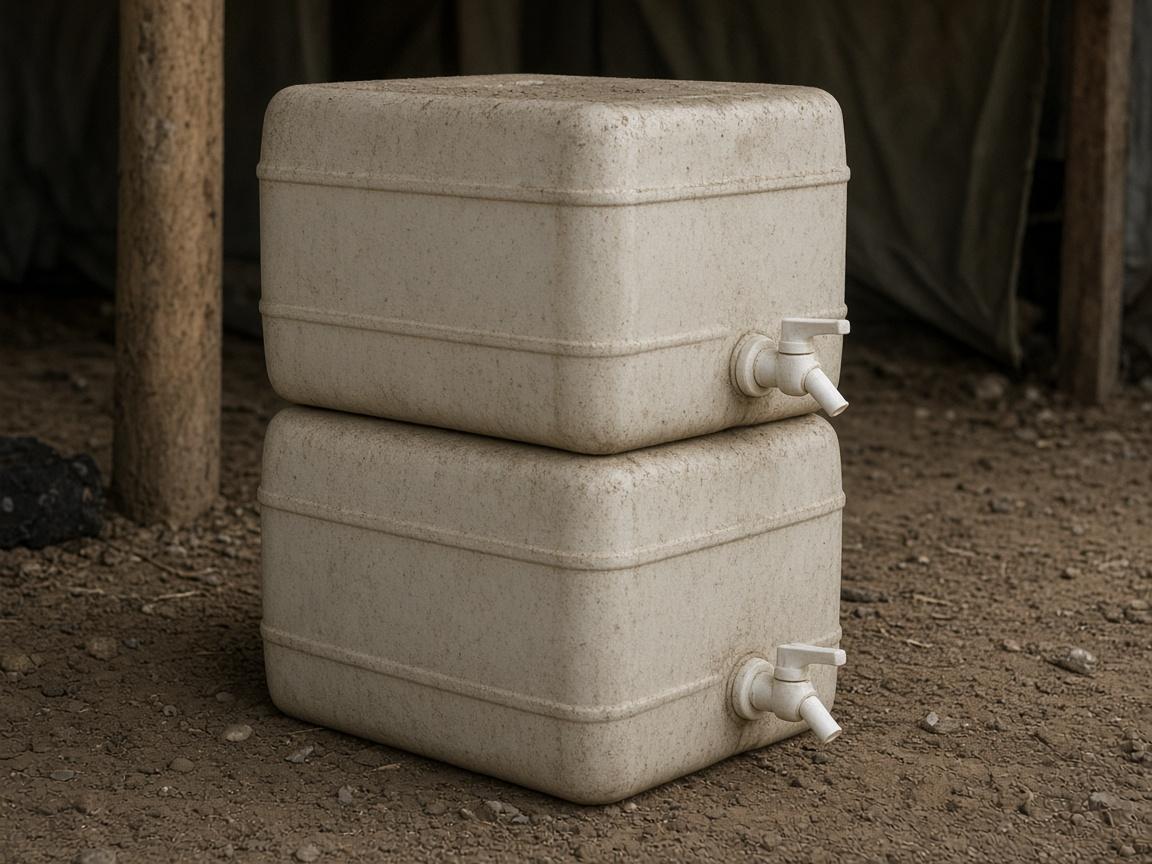
The jugs we list are 7 gallons each, sold as a pair, so the pair is 14 gallons. Our short note calls that a serious start for one person's drinking water and a rounding error for a camp of four. Set next to the city's combined number, 14 gallons is more than 10.5, which is why one person who is careful can live inside two jugs for a week of drinking, washing, and cleaning. The moment a second person appears, or a foot tub, or a stack of dishes, or a mist fan, you are past the pair. Do that math in the kitchen before you shop for a bottle.
We still split the water into labeled drinking jugs and everything else. Their 1.5 gallons is one budget covering three jobs. A shared budget is how washing eats the drinking water on Thursday and nobody notices until the headache. Drinking water gets its own jugs, its own spout cover, and a label you can read with dusty eyes. Wash water can be the same source on the way in. It cannot share a story with vinegar, and once it has soap or dust in it, it is gray water on the way out.
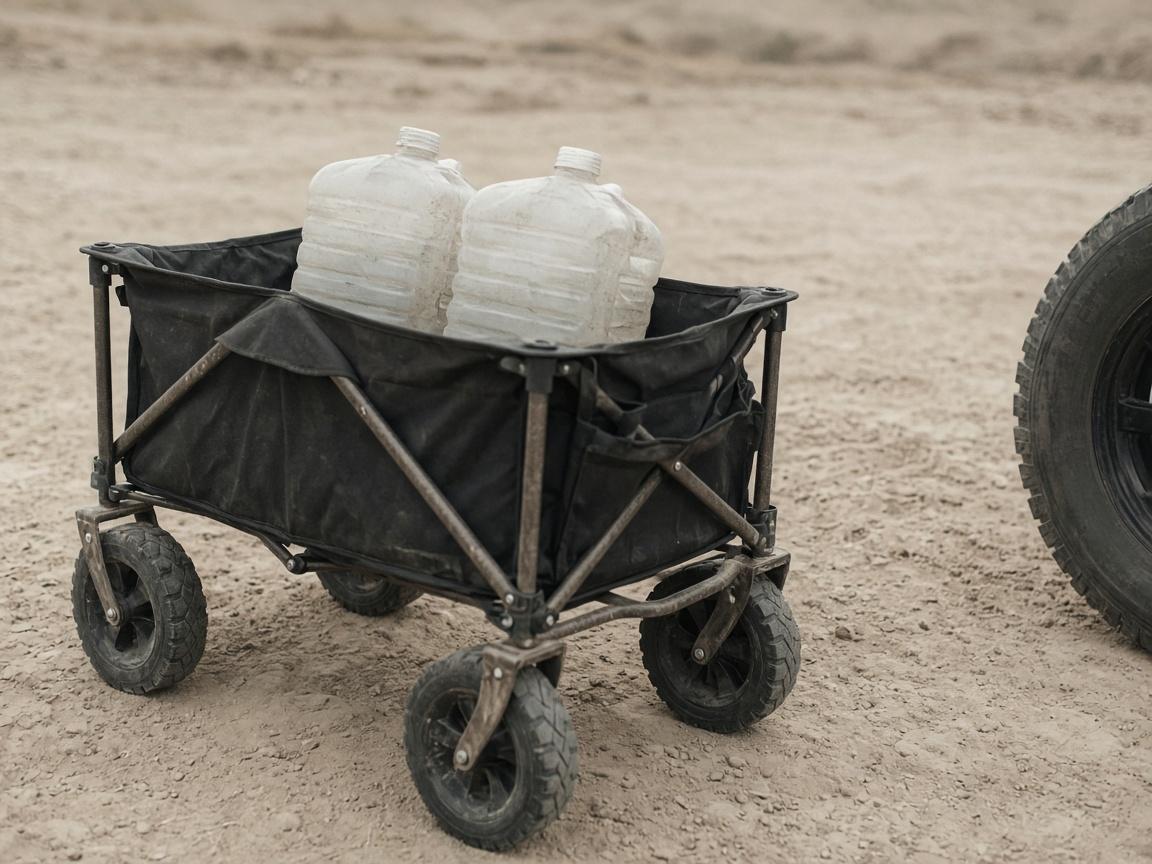
Rectangular jugs with a spigot stack in a car and pour without a ladle in the dust. Keep them out of the noon sun if you can. Warm plastic water is still water. Your future self will still complain. A wagon is how they move from the car to the hex. The walk from the car is where water gets left "for the next trip." The next trip is how people start the week short.
A flat of single-use bottles is heavier than it looks, and a crushed one in the wind is moop. Bring water in. Pack the containers out. Their leave-no-trace pages are the reason, and so is your back.
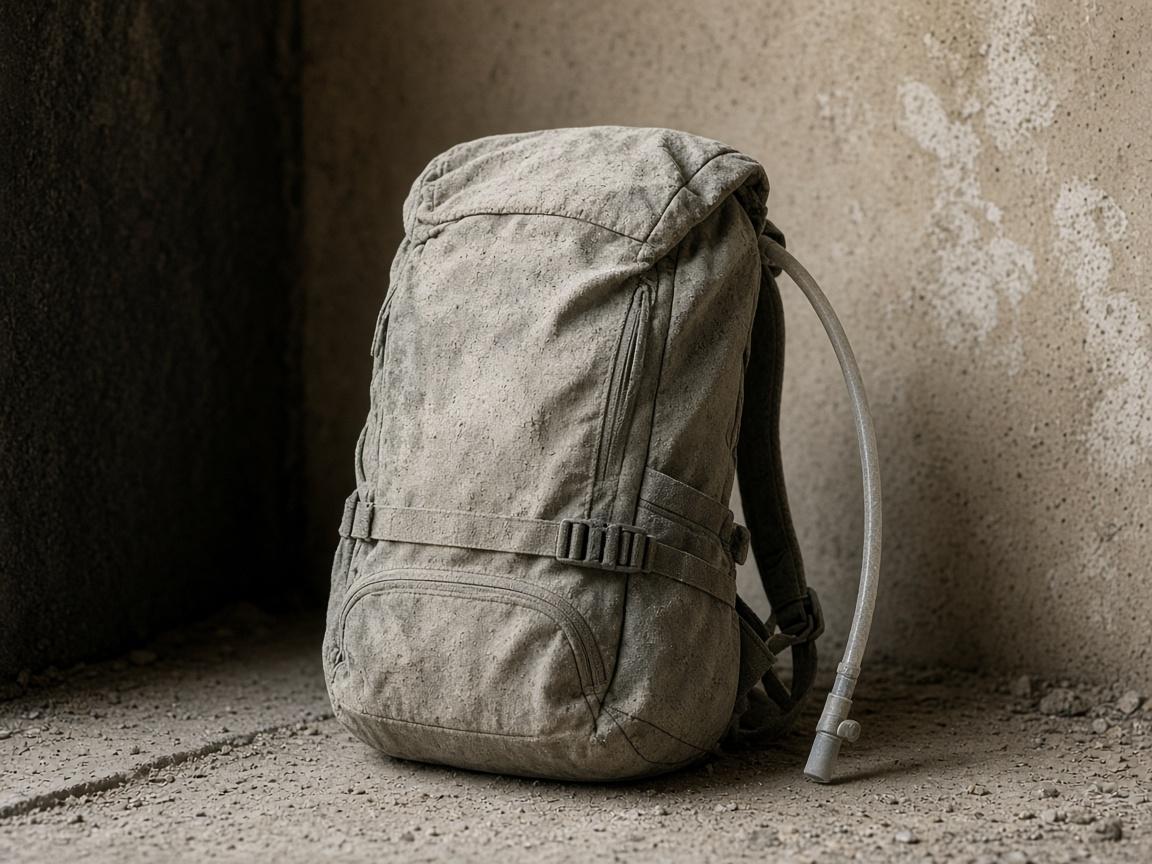
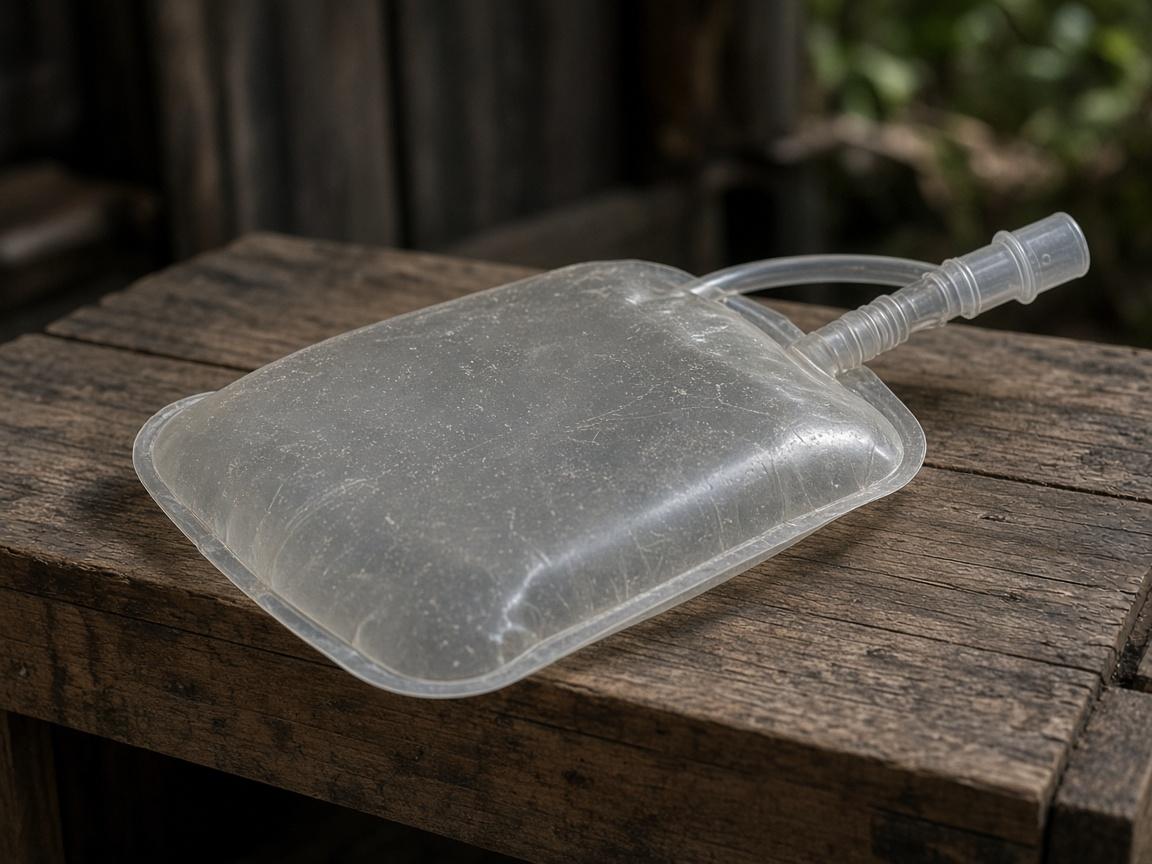
Their sentence about a full bottle is not a slogan. The city is wide, and a friend's cooler is not a plan. Three liters on your back covers a few hard hours, which is why the jugs still exist at camp. If you already own a pack that takes a bladder, buy the reservoir and leave the second costume backpack on the shelf. If you do not, the pack with the reservoir already in it is the whole purchase. Confirm the listing includes the bladder.
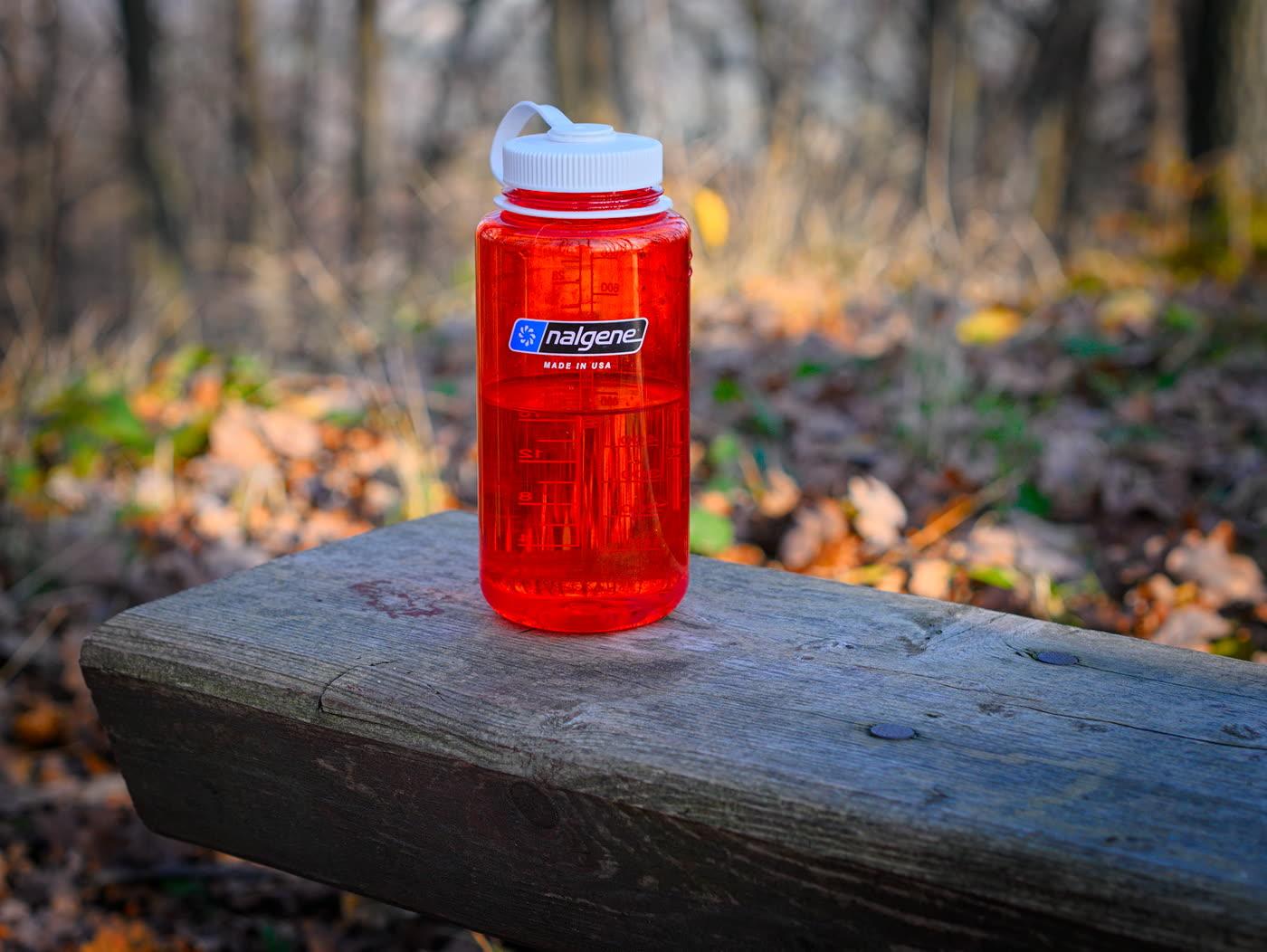
The M.U.L.E. is the pack. The Crux is the bladder alone. Dust loves the bite valve. Keep the cover on. Rinse the bladder with a splash of vinegar water before you pack it home or it will smell like a science project until next year. A wide-mouth bottle with a lid is the cup you can bike with. Mark it. The playa in the threads is how a lid stops closing by Thursday. It is a carrying bottle, not your gallon count.
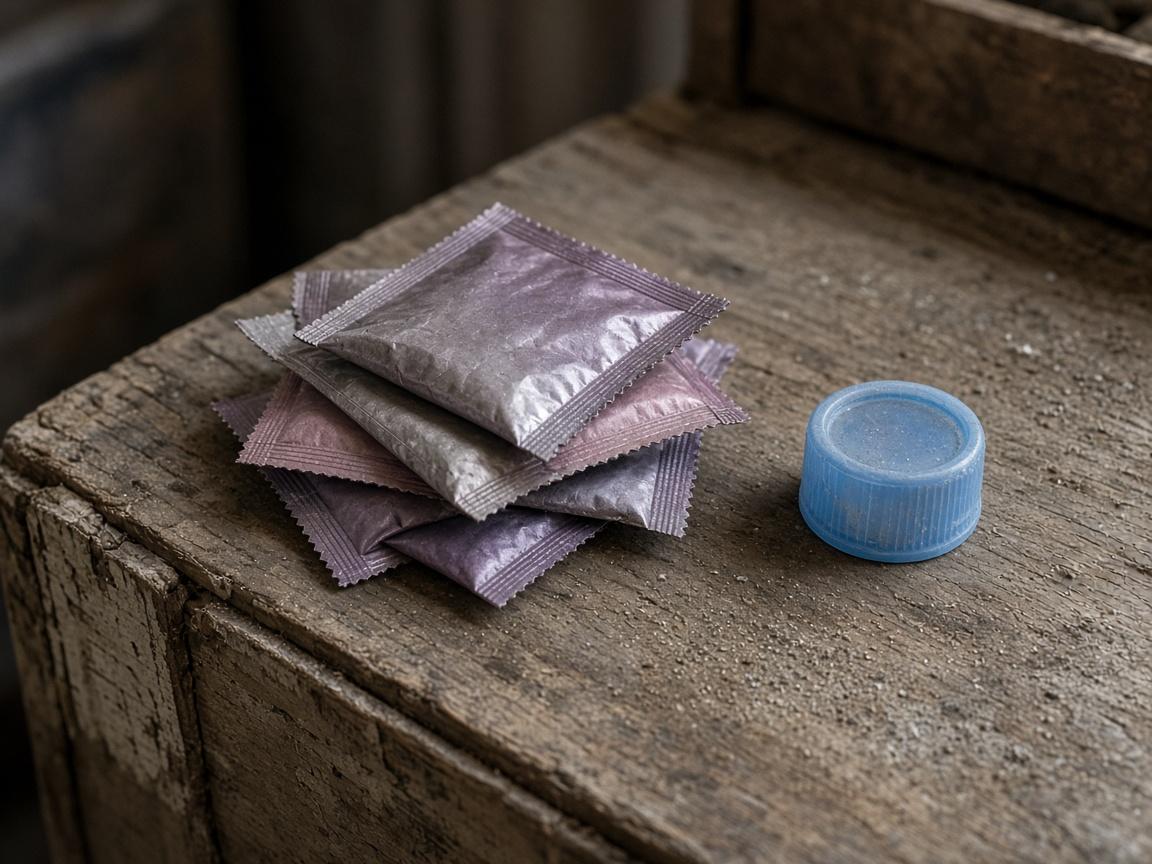
Water is the base. After a day of building or dancing in full sun, a little salt in the afternoon bottle is how we head off the headache this desert is good at. Start earlier than thirst, including the drive in. A headache out here is often the water you have not drunk yet. The packets go in water, and the water was already in the total.
Liquid I.V. is the packet we keep because it is easy to split across a larger bottle if the sweetness is too much. Read the sodium if you are watching salt for a medical reason. This is a drink mix, not medical advice. Variety packs keep you from hating one flavor by Friday.
Dance Fuel is Soft Landings' electrolyte sachets. We have used them, and we like them. Mix one sachet with water, and follow the label for how much water. The gallons still come first. Their US price was $39.99 when we checked the shop. The 700ml bottle is the insulated bottle they sized around one sachet. It was $29.99 on their page when we looked. It is metal. Some gates ban metal bottles. If yours does, leave it in the car and carry a plastic bottle through the gate. We have not carried this particular bottle. We have used the drink mixes.
Soft Landings buttons are affiliate links. They ship from Australia. Their shipping page says a US order is typically received in 5 to 10 business days, and that it can take up to 3 weeks. Your price does not change. These are drink mixes and a bottle. Read the label. We do not repeat medical claims from their pages. The disclosure covers how those links work. A sachet is not a treatment, and it is not the 1.5 gallons.
Wipes do most days. A solar shower bag, if you bring one, uses water you already counted, and every drop goes in the gray-water jug. Their should-bring list names a portable shower with gray-water collection. A long shower is how you run out of drinking water. The less gray water you make, the less you haul. That line is theirs.
Dishes get a splash, and that splash goes in the gray-water jug too, noodles strained out first. Never on the playa. Label the jug GRAY so nobody drinks it. The vinegar bottle is a different bottle. If you are not sure you are allowed to evaporate wash water this year, carry it to a legal dump. When in doubt, it comes home. Their guide says a spill you can fit in a five-gallon bucket gets dug up and hauled off, and a bigger wastewater spill is a Ranger and their hazmat team. That is a bad way to learn the rule.
Ice is food-cooling, not your water plan. Their Arctica pages sell ice in the city. The melt in a cooler is not drinking water, and it does not count toward the gallons you brought. Pour it out into the gray-water jug if it has food in it. Do not drink it.
Multiply the 1.5 by people and by days, using their sentence, and then look at the jobs that are not in a careful person's 1.5: a group dinner's dish water, a mist fan, a shower that is more than a wipe, water you will give a guest who did not bring enough. Add those as their own lines. There is no honorable plan that says you will figure water out after you arrive. If you are supporting other people, the margin has to be water you can carry, not a feeling.
An RV fresh tank is still water you hauled or filled from a potable source before the playa. Their guide says the pump-out trucks do not fill potable water. A drinking-water hose is for a real potable fill, and it never shares a bin with the sewer hose. The RV guide is that split. A garden hose tastes like a garden hose. Do not start the week with it.
The water kit is one person, one week, drinking first: the pack, the jugs, the bladder, and the packets. The camp cart adds the wagon and the shade those jugs live under. If the number on your paper scares you, good. It is supposed to. The canteen can still be cute. It is just not the plan.
Soft Landings
An electrolyte drink mix for long hours of dancing and sweating.
Buy this early
$39.99 at Soft Landings
We may earn a commission if you buy through this link. You buy it from Soft Landings, and they ship it.
Opens in a new tab.Soft Landings
A 700ml double-wall bottle, sized for one drink sachet.
$29.99 at Soft Landings
We may earn a commission if you buy through this link. You buy it from Soft Landings, and they ship it.
Opens in a new tab.A kit is the shopping list for one job. Each piece is its own listing. We don't ship it as one box.